Thailand Amulets
Thai Buddhist and Magical amulets for Wealth, Health, Love and Happiness.
Vast Selection of Amulets
We have a vast selection of over 4000 different kinds of Sacred Amulets and Bucha Items, including Buddha Image, Loi Ongk statuettes, Buddhist Monk Coin Amulets, Takrut Charms, Nam Man Prai Oils, Mai Kroo Wands, Mitmor Ritual Knife, Lek Lai Kaya Siddhi Elemental Substance, Kumarn Tong, Gambling Amulets, Mae Nang Prai, Muan Sarn Sacred Powder Amulets, Palad Khik, Animist Charms, Necromantic Amulets, Buddhist, Animist, Brahman and Necromantic Amulets.
Categories
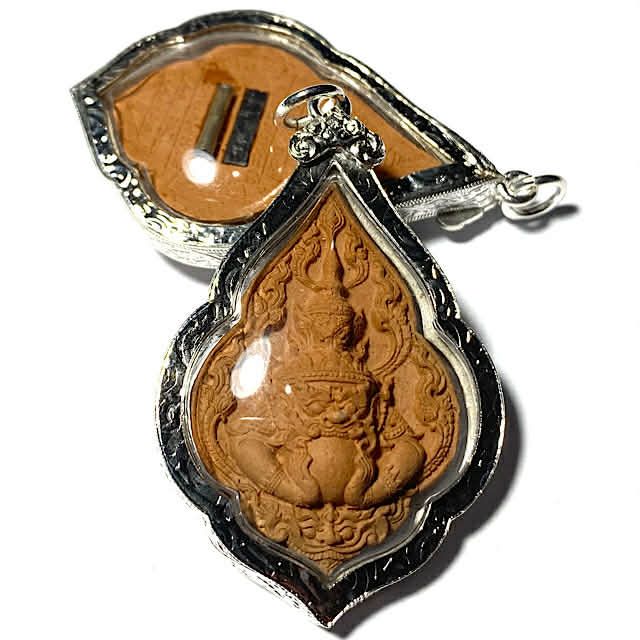
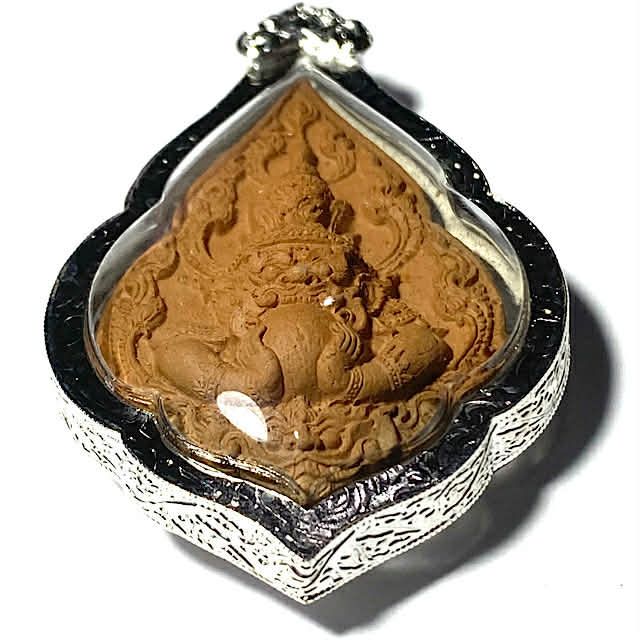
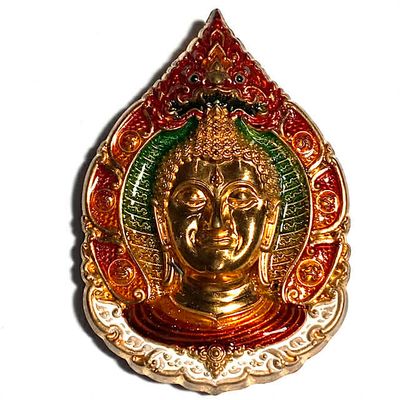
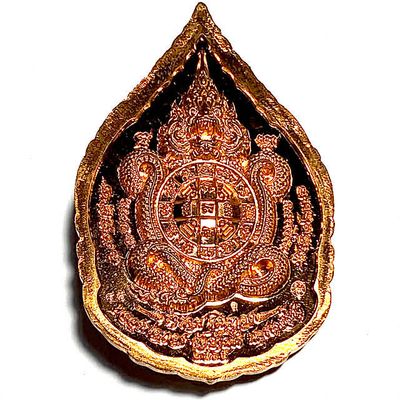
Pra Rahu Mongkol Baramee Luang Pu Bun Ma Samnak Songk Khao Gaew Tong 2564
SKU 05159
$ 85.00
Free Silver plated Waterproof Casing + Free Shipping (Except U.S.A.)
In stock: 2 available
1
Save this product for later
Have questions?
Pra Rahu Mongkol Baramee Luang Pu Bun Ma Samnak Songk Khao Gaew Tong 2564
Product Details
Maker: Luang Pu Bun Ma
Temple: Samnak Songk Khao Gaew Tong
Year of Issue: 2564 BE
Material: Nuea Tri Chanuwan, including sandalwood ash, fragments of ancient Pra Kring amulets, old palm-leaf scriptures, and other auspicious elements
Weight: 15 Grams with Casing
Size of Amulet: 4 x 3 Cm
Magical Effects: Maha Lap, Maha Pokasap, Serm Duang, Serm Yos Baramee, Gae Aathan,Metta Mahaniyom.
Recommended Uses: Protection and Good Fortune, Auspicious Karma, Prosperity
Edition: Gae Pi Chong
Pra Rahu Mongkol Baramee: Mitigation of the Clashing Year
Consecrated by Luang Phor Boonma, Year 2021 (B.E. 2564)
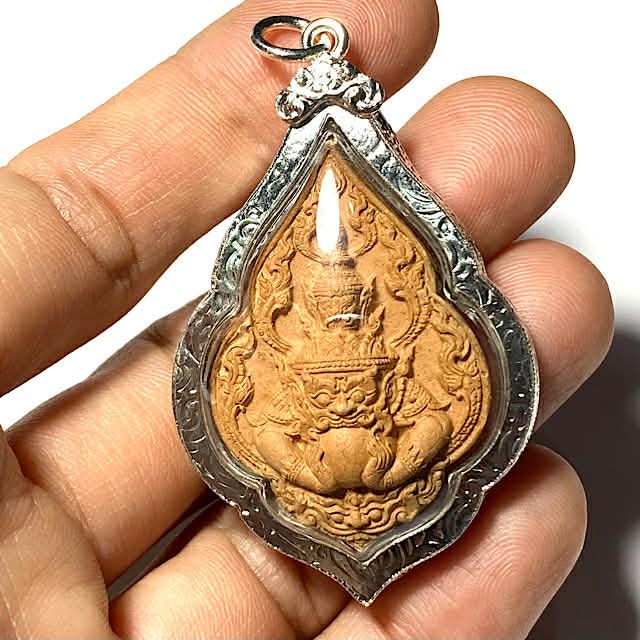
Pra Rahu Mongkol Baramee was created in 2021 by Luang Phor Boonma Chotidhammo of the Khao Kaew Thong Monastery in Prachinburi Province. This amulet was crafted as a sacred talisman to enhance one's fortune and ward off the misfortunes associated with the "Clashing Year" (Pee Chong).
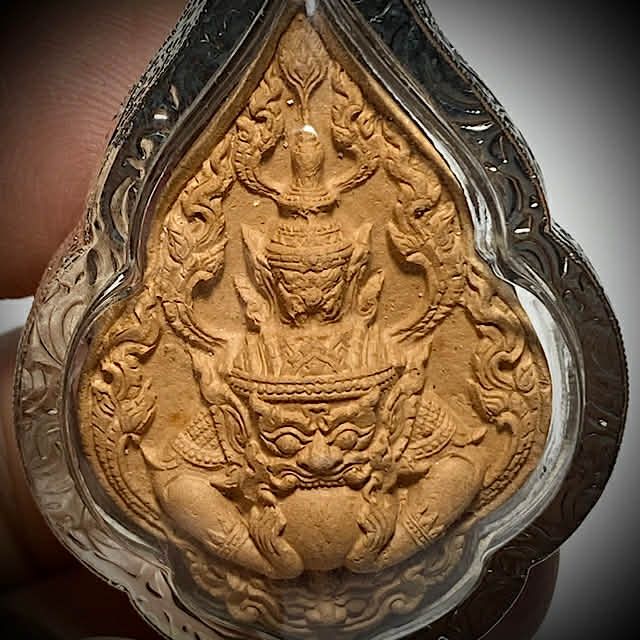
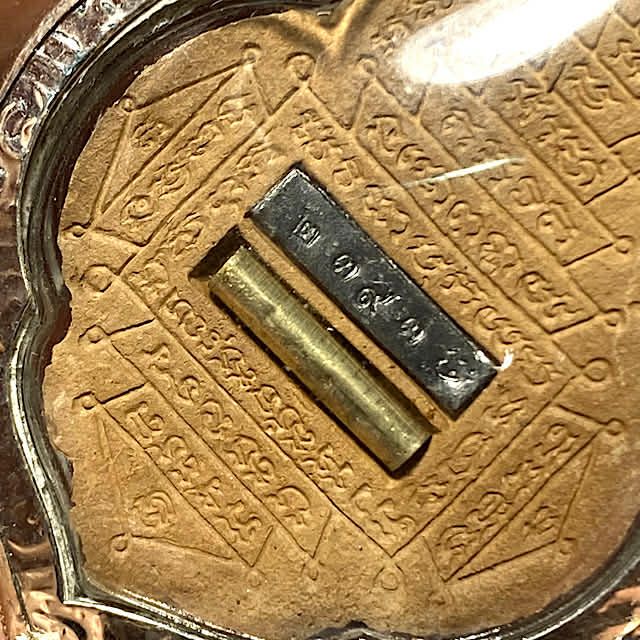
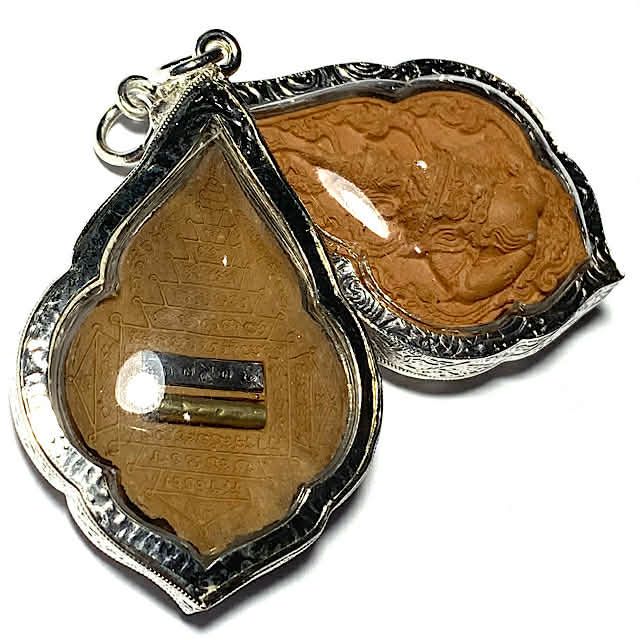
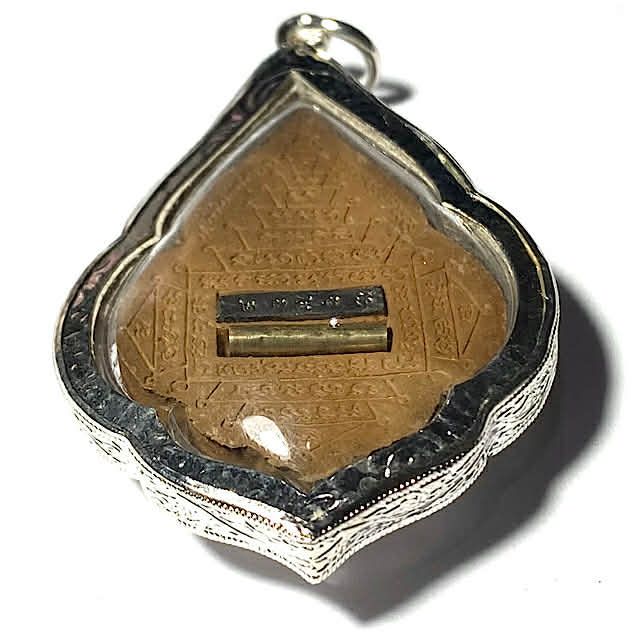
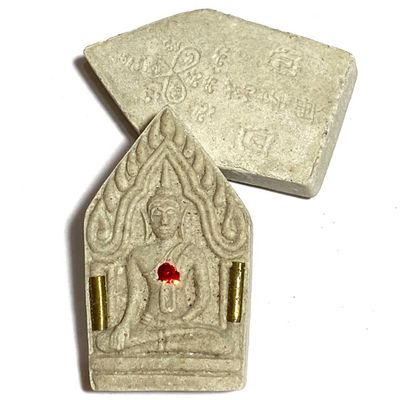
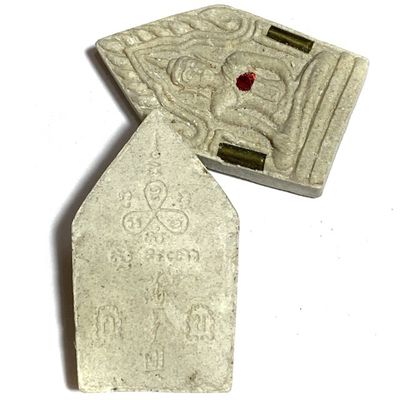
The amulet is primarily made from terracotta mixed with various sacred powders, a blend known as "Tri Chanuwan." These ingredients include sandalwood ash, fragments of ancient Pra Kring amulets, old palm-leaf scriptures, and other auspicious elements. Additionally, a silver code stamp Takrut and a brass inscribed Takrut (sacred scroll) is embedded in the back of the amulet.
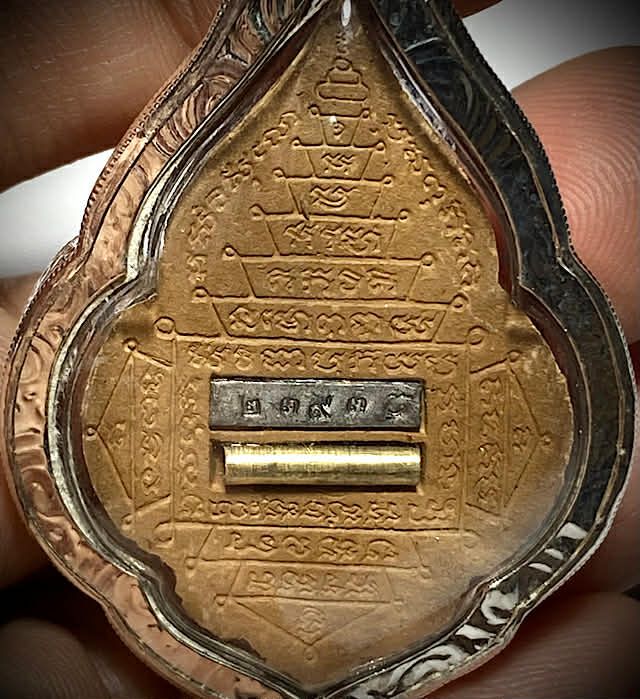
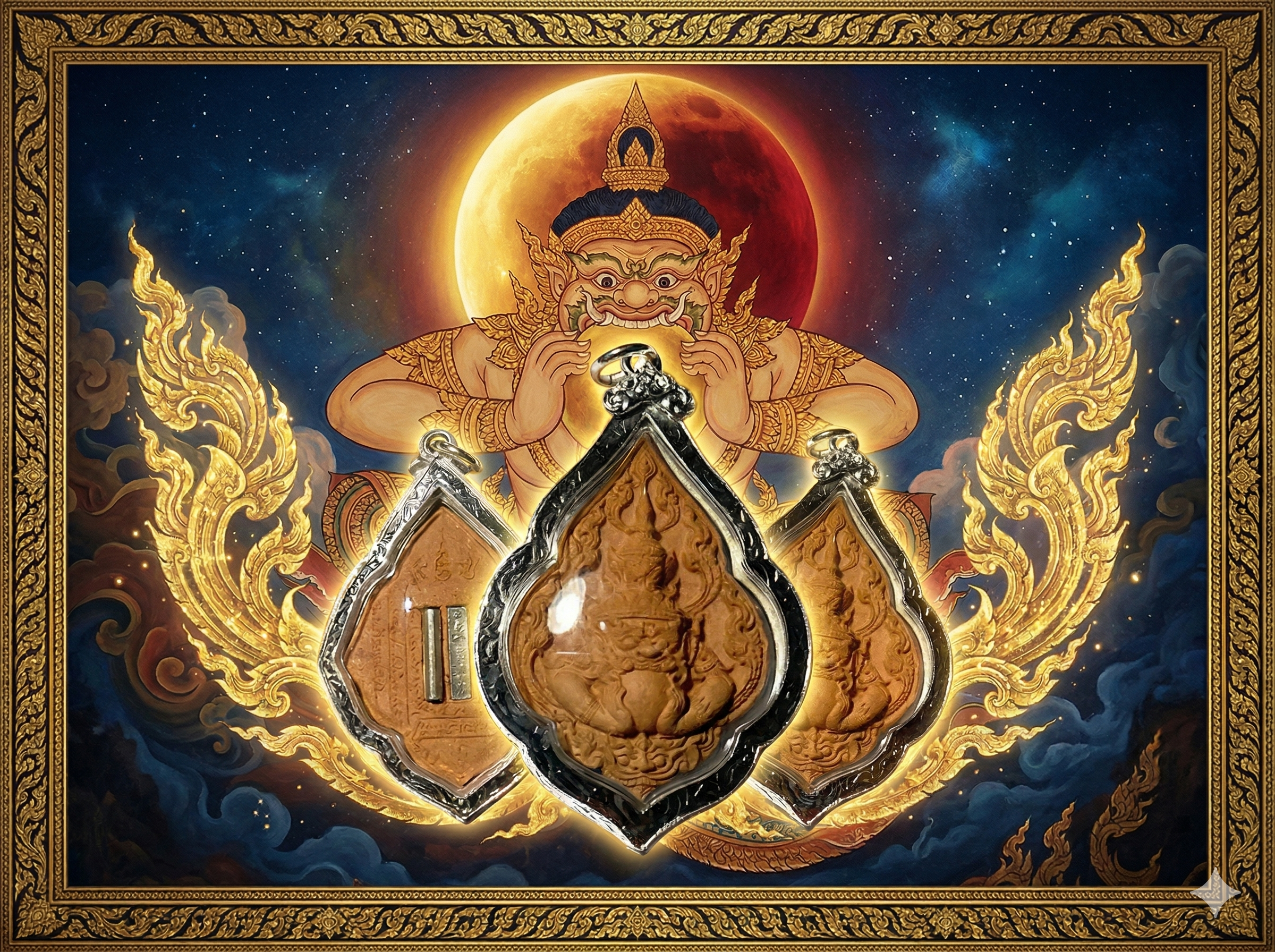
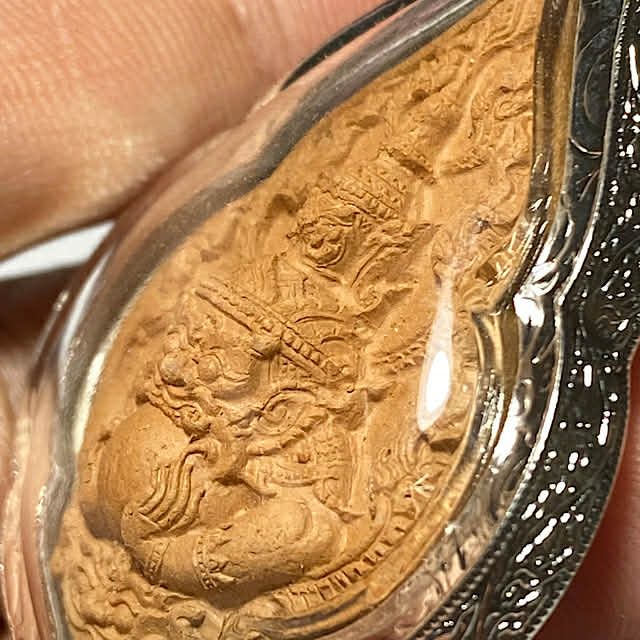
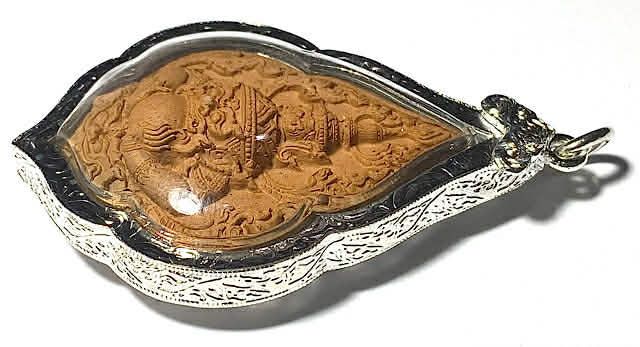
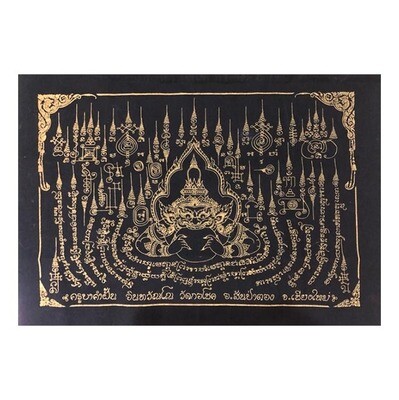
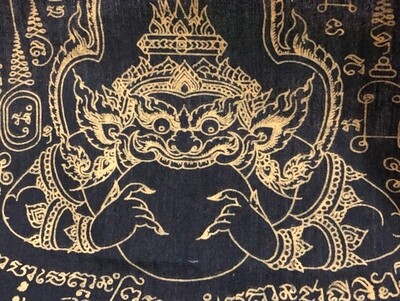
Design: The front features a carving of Pra Rahu in a seated posture, depicted in the act of "swallowing" the sun and the moon. The back contains a sacred Yantra and a serial number for authentication.
Purpose: The primary objective of this edition is to mitigate the effects of a "Clashing Year," rectify a declining fortune, clear karmic obstacles, and attract luck, prosperity, and success according to Thai astrological beliefs. While not explicitly documented in official papers, the consecration rites and promotions indicate that the amulet also grants Metta Mahaniyom (loving-kindness and popularity), Kong Krapan (invincibility/protection), and the power to dispel curses or spiritual anomalies.
The Consecration Ceremony (Phutta Pisek)
The consecration ceremony took place at the Khao Kaew Thong Monastery in Gabin Buri, Prachinburi, with Luang Phor Boonma presiding over the spiritual empowerment. Although specific dates and times were not publicly announced, the ceremony followed traditional high-level rites, including the chanting of Buddhist prayers, fortune-enhancing mantras, the Patimokkha, and the Great Emperor’s Mantra (Maha Chakraphat).
Renowned master monks from various regions were invited to participate in the meditation and bestow their blessings. The process involved Nang Prok (deep meditative concentration), the opening of spiritual gateways through mantras, the preparation of holy water, and traditional offerings to the teachers (Kru).
Sacred Materials (Muan Sarn)
Following the tradition of the Forest/Meditation lineage, this amulet incorporates a variety of sacred materials:
- Ancient relic powders from various pagodas.
- Sacred ash from Kathina ceremonies at multiple temples.
- Inscribed ancient palm leaves.
- Auspicious incense powder from meditation masters.
- Various consecrated herbs and soil from sacred sites or meditation centers.
The "Tri Chanuwan" method refers to the blending of three primary sacred elements offered by meditation masters, which are then mixed with terracotta and pressed into the mold before being spiritually charged to dispel misfortune.
Participating Masters
In addition to Luang Phor Boonma, it is reported that several famous monks from across Thailand attended the ceremony, including Vipassana masters and renowned teachers from the Southern and Northeastern regions. Experts in Kong Krapan (protection) and occult sciences were also invited to enhance the amulet's potency. (Specific names were not publicly disclosed in the general records).
Astrology and Mythology of Pra Rahu
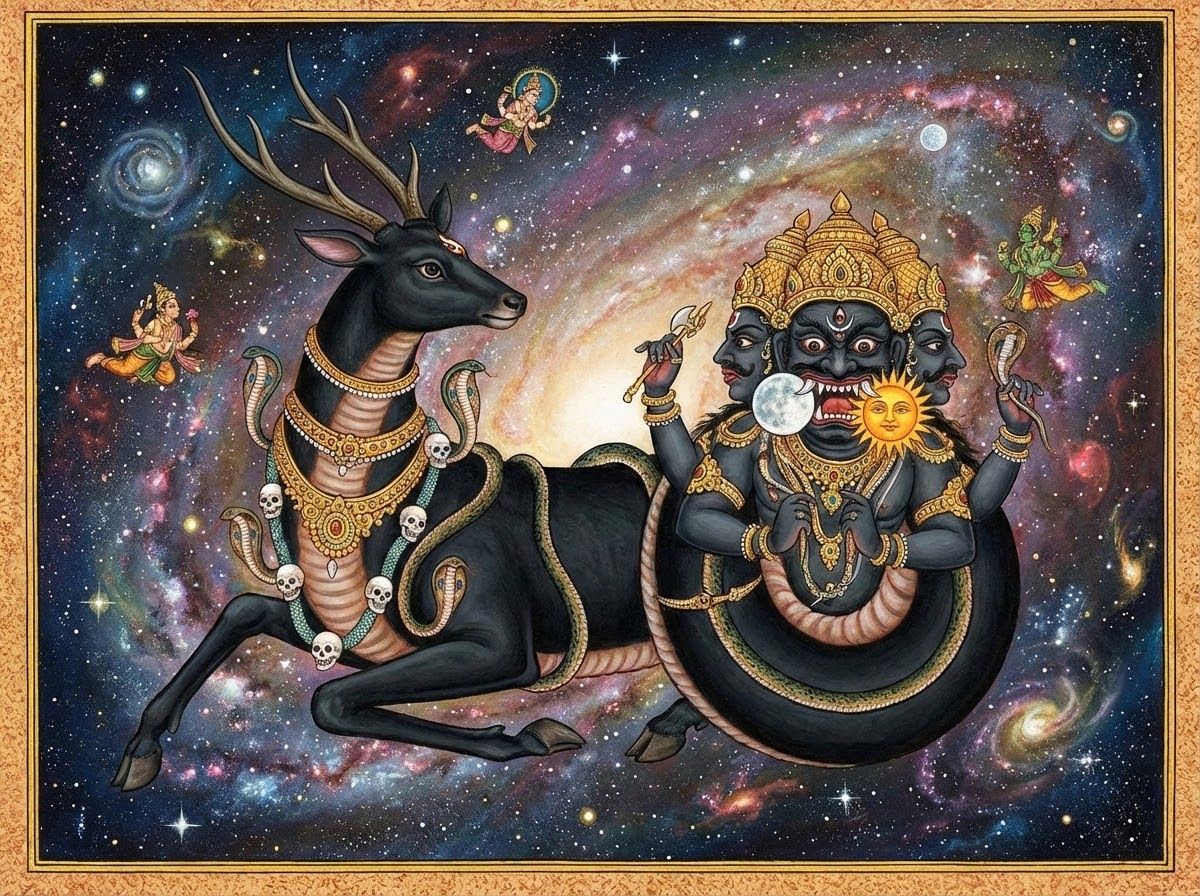
In Hindu-Buddhist mythology, Pra Rahu is one of the celestial deities (Navagraha) associated with darkness, intoxication, and the phenomenon of eclipses. The imagery of "Rahu swallowing the sun and moon" explains solar and lunar eclipses.
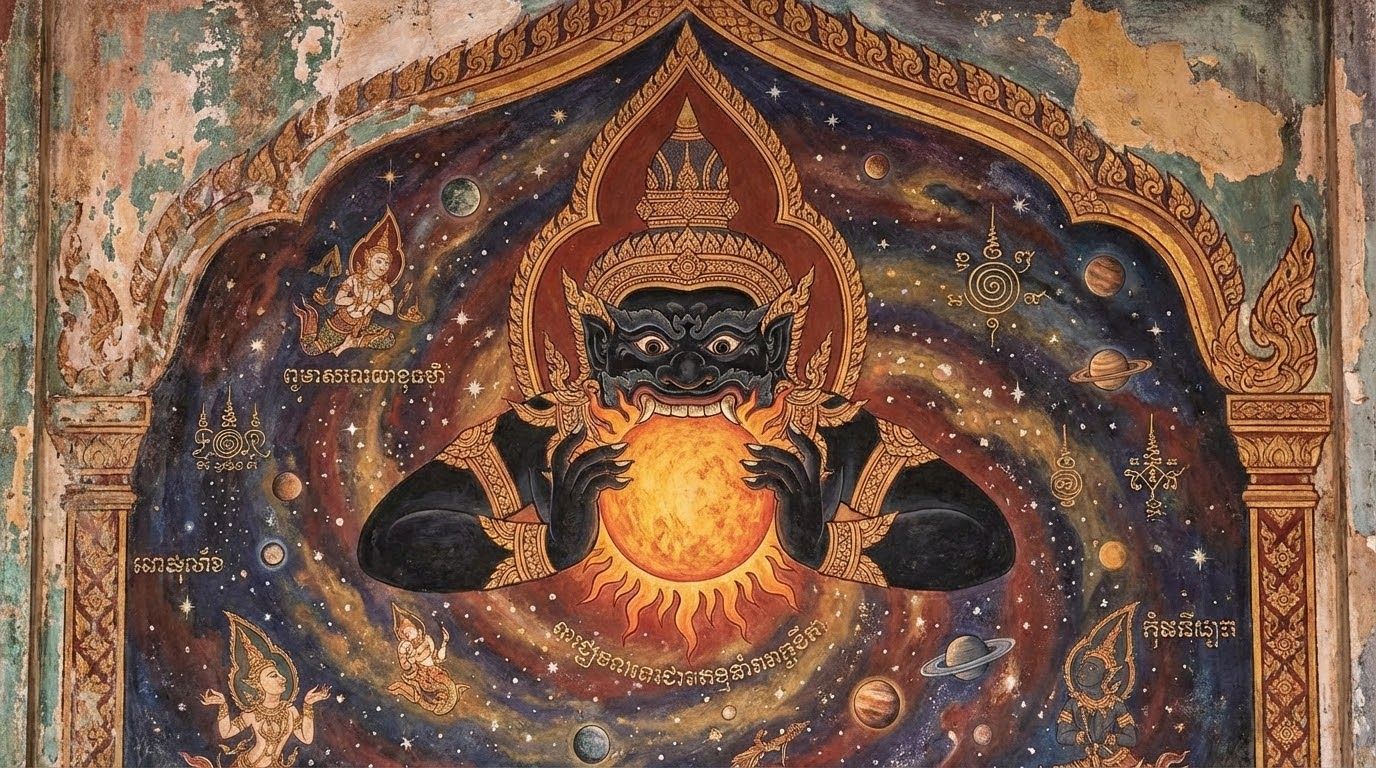
In Thai belief, Rahu is often viewed as a planet of misfortune that can cause accidents or sudden, major upheavals if he enters a person's zodiac in a negative way. However, Rahu is not solely a deity of evil; many believe that if worshiped with respect, he can protect the devotee and transform bad luck into good fortune. Regular worship of Pra Rahu is believed to clear obstacles, ensure success in business, protect travelers, and bring immense wealth.
How to Properly Worship Pra Rahu
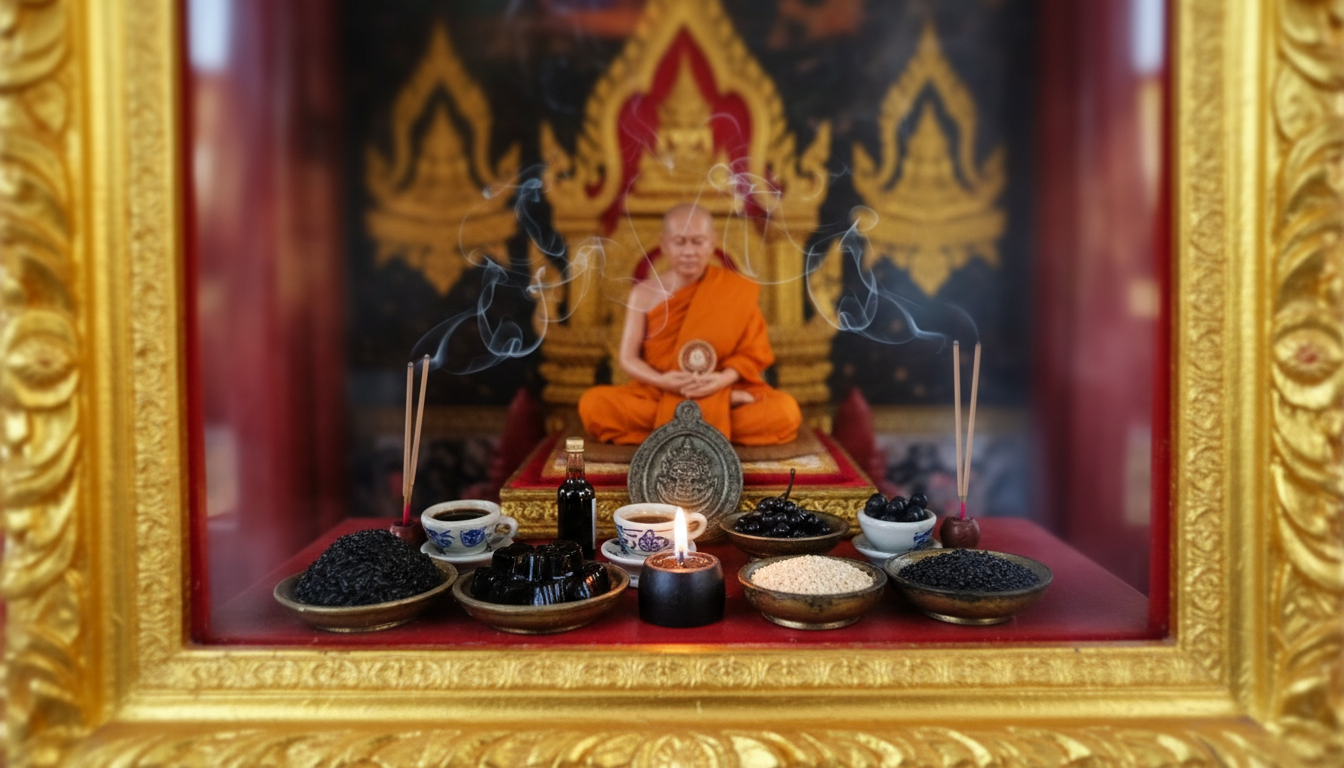
Worship is typically performed at night, specifically on Wednesday nights, or any time after 6:00 PM.
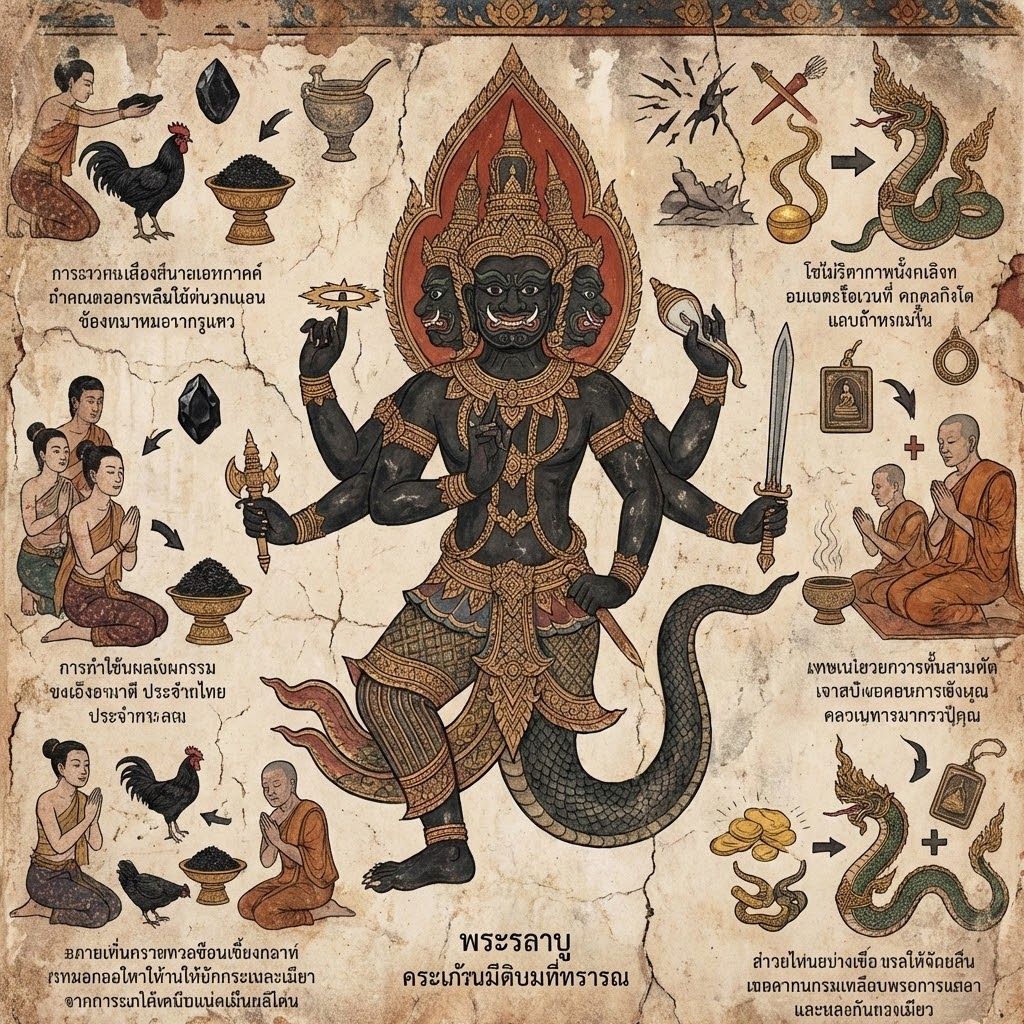
- Offerings: Prepare 8 or 12 black-colored items. Examples include:
- Boiled black chicken or grilled catfish.
- Black drinks (Black coffee, cola, or black tea).
- Black desserts (Grass jelly, century eggs, or dark chocolate).
- Black herbs/grains (Black sesame, black beans, or seaweed).
- Placement: Place the offerings on a clean tray, facing the Northwest (the Payap direction).
- Prayer: Recite the "Namo" prayer 3 times, followed by the Pra Rahu mantra (e.g., "Ka Phut Pan Thu Dham Wa..."). During an actual eclipse, the Suriya Bappa and Chandra Bappa mantras are recommended.
- Incense: Light 8 or 12 incense sticks (matching the number of offerings).
- Conclusion: After the incense has nearly burned out, make a final wish. It is traditional to consume or burn the offerings as a way of receiving the blessing and showing gratitude to Pra Rahu.
Biography and Grace of Luang Phor Boonma Chotidhammo
Luang Phor Boonma Chotidhammo (Pra Khru Sunthorn Chotidham) of Khao Kaew Thong Monastery was a highly revered master of Vipassana and Buddhist preservation in Prachinburi.He was known as a "Developer Monk," having built numerous pavilions and residences while tirelessly teaching the Dharma to the community. His reputation for Metta (compassion) and Kong Krapan (protection) spread throughout the Northeastern region.
Luang Phor Boonma passed away in 2025 at the age of 86. He is remembered as a prominent master of Prachinburi and a spiritual pillar for the people. Devotees believe that the amulets consecrated by him provide powerful protection and positive results for those who possess them.
Pra Rahu, his auspicious power, and the removal of inauspicious cycles.
Pra Rahu, occupies a unique and complex position within Thai cosmology, astrology, and ritual practice. Unlike planetary bodies that possess physical form, Rahu is understood as a shadow entity, a force without a tangible body, yet with profound influence over human fate, perception, and karmic unfolding. In both Indian and Southeast Asian traditions, Rahu is associated with eclipses, obscuration, illusion, and sudden transformation. However, within Thai esoteric Buddhism and Brahmanical syncretism, Rahu is not purely malefic. Instead, Rahu represents a dual-natured force that can either obscure or empower, depending on alignment, merit, and ritual engagement.
The mythology of Rahu originates from ancient Indic cosmology. Rahu was once an asura who sought immortality by deceitfully consuming the divine nectar of amrita. Upon discovery, his body was severed by Vishnu, yet because the nectar had already touched his lips, his head remained immortal. This disembodied head became Rahu, eternally chasing the sun and moon, periodically devouring them, which manifests as eclipses. This myth encodes a deeper symbolic structure. Rahu represents insatiable desire, ambition without restraint, and the disruptive force that breaks linear order.
Within Thai belief systems, Rahu’s energy is strongly linked to periods of instability, particularly those referred to as “pee chong,” or inauspicious zodiac years. During such periods, individuals may experience disruptions in career, finances, relationships, or health. However, this is not interpreted as random misfortune. Instead, it reflects karmic intersections combined with planetary influence. Rahu does not create suffering arbitrarily. Rahu exposes imbalance, amplifies latent tendencies, and forces confrontation with unresolved conditions.
Because of this, Rahu is both feared and revered. Devotees do not simply seek to avoid Rahu, but to align with its power. Rituals dedicated to Rahu are designed not only to neutralize negative influence, but to convert that same force into protection, charisma, and opportunity. This reflects a core principle in Thai occult Buddhism, where forces that appear dangerous can be harnessed and transmuted through correct knowledge and intention.
One of the most well-known practices is the offering ritual to Pra Rahu. These offerings typically consist of black or dark-colored items, symbolizing Rahu’s association with shadow and obscurity. Common offerings include black coffee, black jelly, black sticky rice, and other foods that correspond to Rahu’s energetic signature. The act of offering is not merely symbolic. It is an exchange, a recalibration of energetic balance. By acknowledging Rahu and making offerings, the practitioner establishes a form of alignment, reducing friction between personal karma and external influence.
Timing is also critical. Rahu rituals are often performed on Wednesdays at night, which is traditionally associated with Rahu’s influence in Thai astrology. Astrological calculations may further refine the timing based on individual birth charts. This precision reflects the broader Thai approach to ritual, where timing, intention, and correct procedure are all considered essential variables.
Amulets associated with Pra Rahu are another important dimension. These amulets are created and consecrated by respected monks or ritual specialists, often using specific materials and incantations. The purpose of a Rahu amulet is not passive protection alone. It functions as a focal point for Rahu’s transformative energy. When properly empowered, such amulets are believed to enhance personal magnetism, shield against hidden enemies, and stabilize chaotic influences.
The concept of “Mongkol Baramee,” or auspicious merit power, is central to understanding how Rahu can be beneficial. Baramee refers to accumulated spiritual strength derived from good deeds, discipline, and correct practice. When an individual possesses strong baramee, Rahu’s influence can manifest as opportunity rather than disruption. This is why two individuals under the same astrological condition may experience radically different outcomes. The determining factor is not Rahu alone, but the internal condition of the individual.
From a psychological perspective, Rahu can be interpreted as the shadow aspect of the mind. It governs impulses, cravings, fears, and illusions. Periods dominated by Rahu may bring confusion, obsession, or distorted perception. However, these same periods can also produce insight, innovation, and breakthrough, if navigated correctly. Rahu disrupts stability, but in doing so, it also dismantles limitations.
In Thai ritual culture, this duality is fully acknowledged. Rather than attempting to eliminate negative forces entirely, the emphasis is placed on balance, containment, and transformation. Rituals, amulets, and offerings are tools within a larger system that integrates astrology, karma, and spiritual practice.
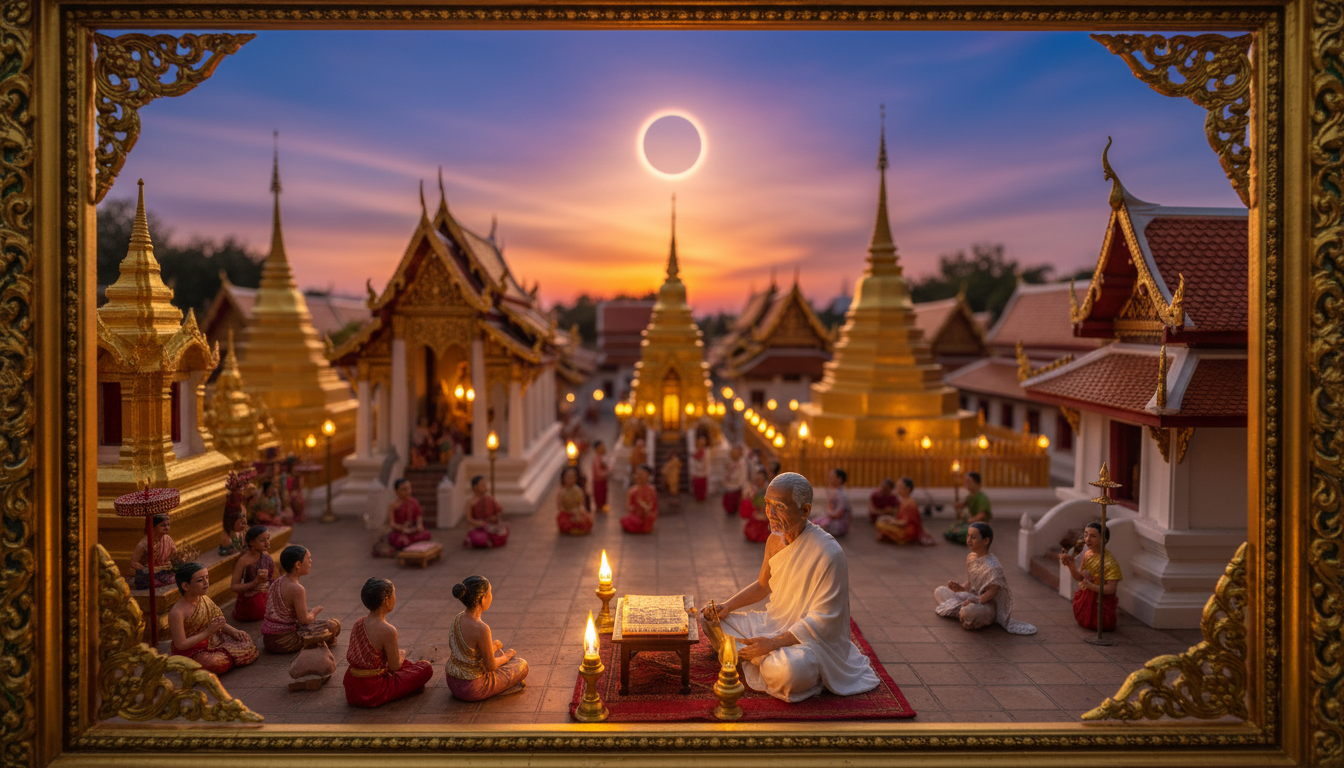
The idea of “Gae Pee Chong,” or resolving inauspicious years, should not be understood as a simple cancellation of bad luck. It is a process of realignment. Through ritual action, merit-making, and conscious behavior, individuals adjust their trajectory, reducing the intensity of negative outcomes and opening pathways for more favorable conditions.
Pra Rahu, therefore, is not merely a source of fear. It is a catalyst. It reveals instability, magnifies hidden dynamics, and forces engagement with deeper layers of reality. When approached with ignorance, it manifests as chaos. When approached with understanding and discipline, it becomes a source of power.
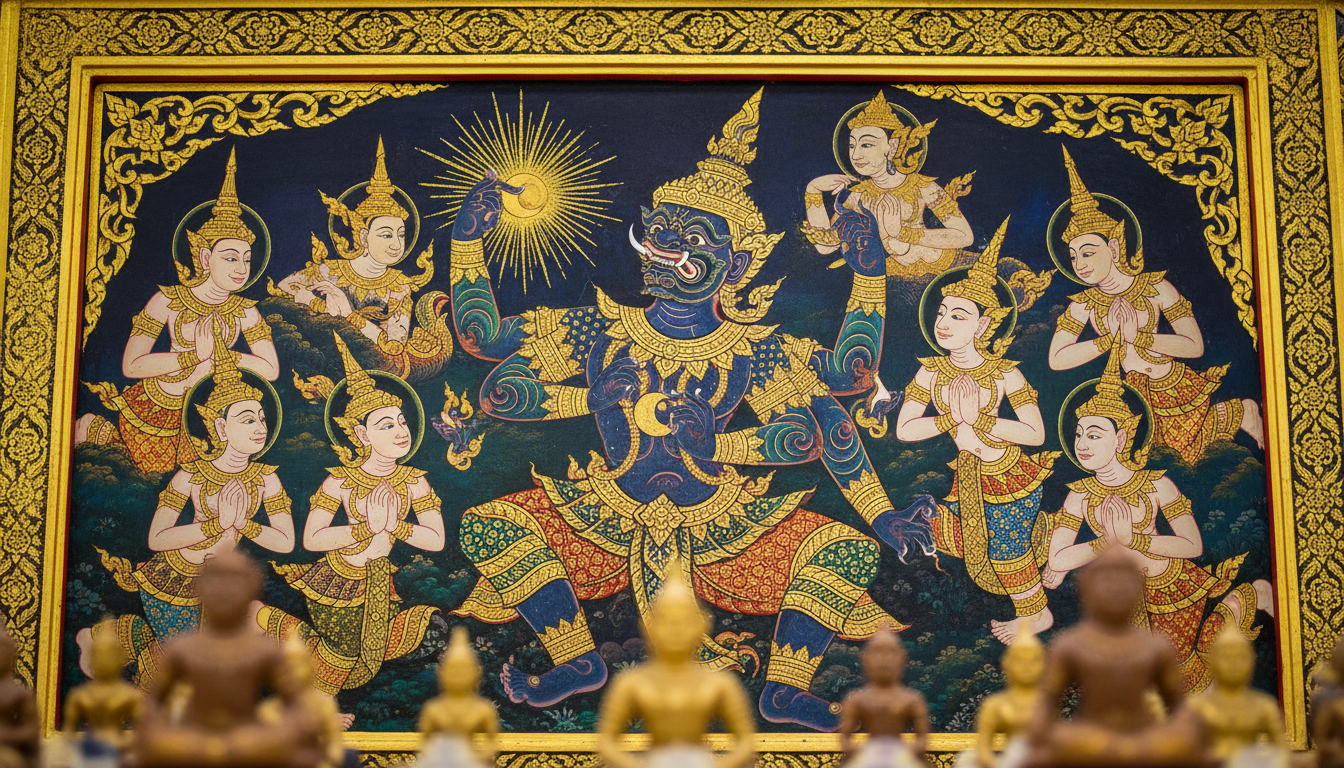
This perspective reflects a broader philosophical stance within Thai esoteric traditions. Forces that appear destructive are not inherently so. Their expression depends on context, alignment, and the capacity of the individual to engage with them correctly. Rahu exemplifies this principle in its most concentrated form.
You May Also Like
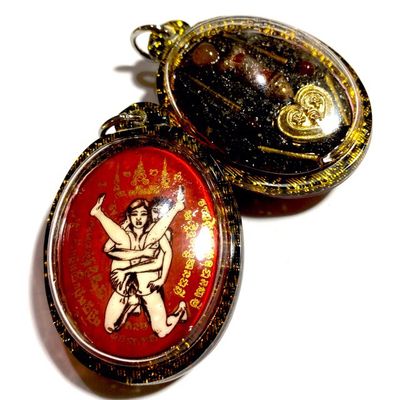
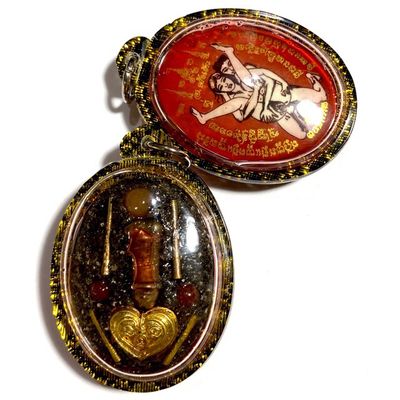
Locket in Koo Chay-Hying Sakot Gaam Liam Nam Man Sanaeh Ongk Kroo 4 Takrut 3 Ploi Sek Na Ok Dtaek & Palad Khik Inserts 2561 BE - Ajarn Ton Rak
Locket in Koo Chay-Hying Sakot Gaam Liam Nam Man Sanaeh Ongk Kroo 4 Takrut 3 Ploi Sek Na Ok Dtaek & Palad Khik Inserts 2561 BE - Ajarn Ton Rak
Free Shipping (America Excluded during Trump tariffs)
SKU 05134
$ 169.00
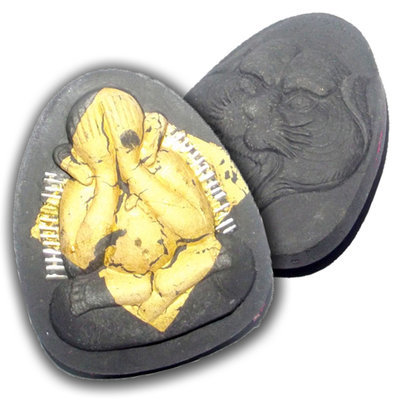
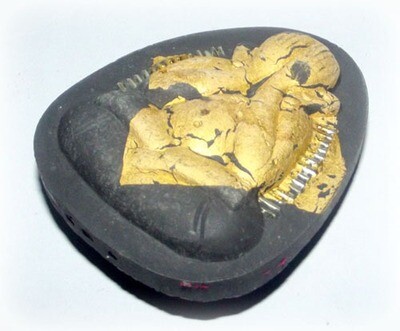
Pra Pid Ta Pokasap Amulet made from Sacred Black Powder with Gold Leaf and 28 Solid Silver Takrut Spells by Luang Por Supoj of Wat Huang Pattana
Pra Pid Ta Pokasap Amulet made from Sacred Black Powder with Gold Leaf and 28 Solid Silver Takrut Spells by Luang Por Supoj of Wat Huang Pattana
Free Shipping Worldwide
SKU 02401
$ 120.00
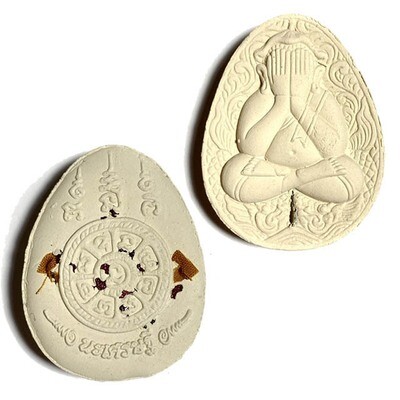
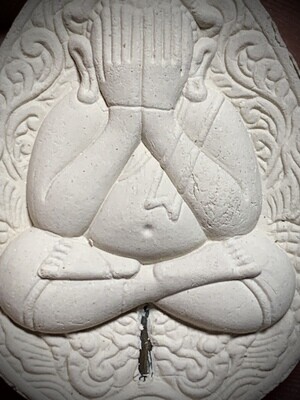
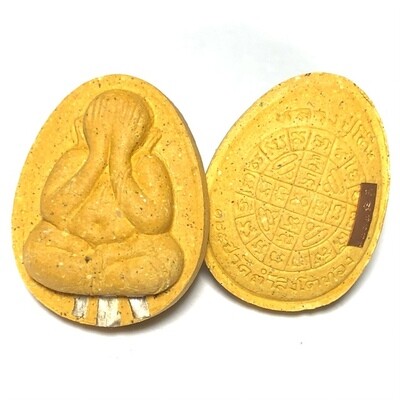
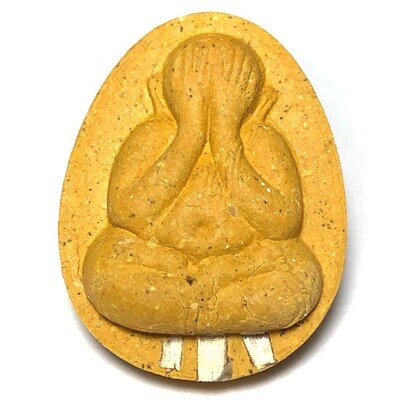
Pra Pid Ta Hlang Yant Duang Nuea Gesorn 3 Silver Takrut LP To Wat Pradoo Chimplee 125th Anniversary 2556 BE Wat Tham Singto Tong 125 Monks Blessing
Pra Pid Ta Hlang Yant Duang Nuea Gesorn 3 Silver Takrut LP To Wat Pradoo Chimplee 125th Anniversary 2556 BE Wat Tham Singto Tong 125 Monks Blessing
SKU 04628
$ 99.00
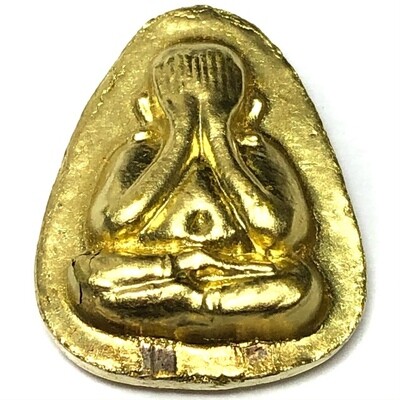
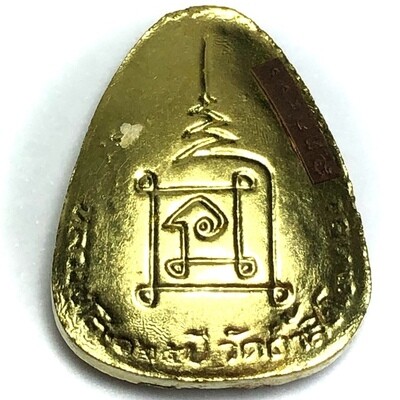
Pra Pid Ta Hlang Yant Na Boran Nuea Boran & Gold Leaf 2 Solid Silver Takrut LP To 125th Anniversary Edition 2556 BE Wat Tham Singto Tong 125 Monks Blessing Only 999 Made
Pra Pid Ta Hlang Yant Na Boran Nuea Boran & Gold Leaf 2 Solid Silver Takrut LP To 125th Anniversary Edition 2556 BE Wat Tham Singto Tong 125 Monks Blessing Only 999 Made
SKU 04626
$ 89.00
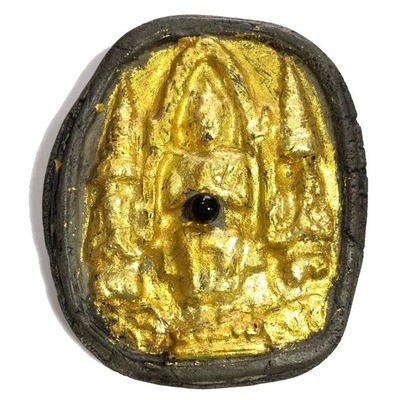
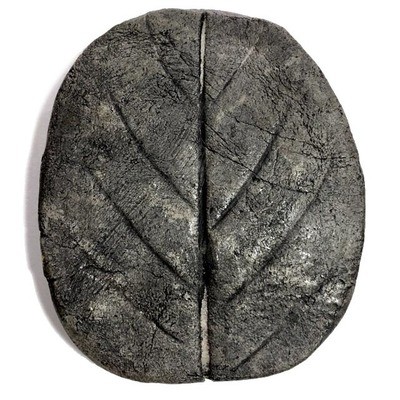
Pra Yord Khun Prohm - Maitreya Buddha - Pim Yai Wicha Khao Or Ongk Kroo - Gold Leaf & Lek Lai Bead inserted - Traimas 2556 BE Edition - Luang Por Prohm - Wat Ban Suan
Pra Yord Khun Prohm - Maitreya Buddha - Pim Yai Wicha Khao Or Ongk Kroo - Gold Leaf & Lek Lai Bead inserted - Traimas 2556 BE Edition - Luang Por Prohm - Wat Ban Suan
SKU 03538
$ 129.00
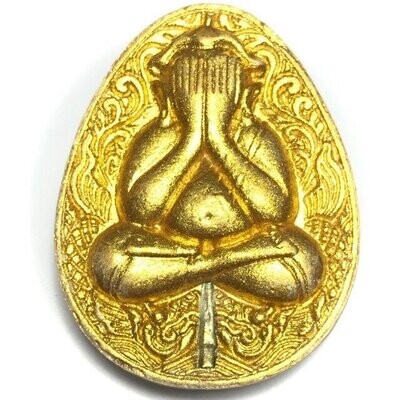
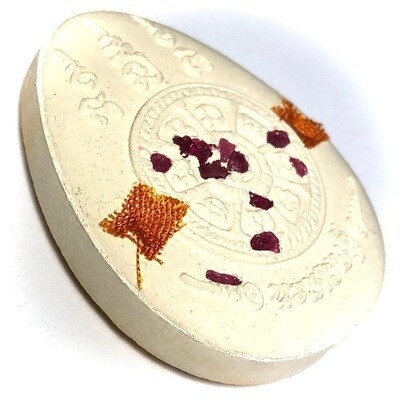
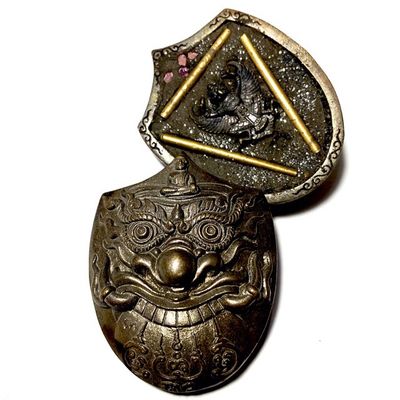
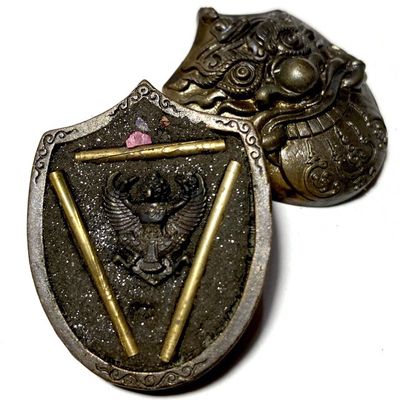
Rahu Kam Duang Nuea Samrit 3 Takrut Gemstone Fragments & Garuda - Baramee Phu Jao edition 2555 BE Luang Phu Naen Kampiro
Rahu Kam Duang Nuea Samrit 3 Takrut Gemstone Fragments & Garuda - Baramee Phu Jao edition 2555 BE Luang Phu Naen Kampiro
Free Shipping Worldwide (Except America during Trump Tariffs)
SKU 05141
$ 99.00
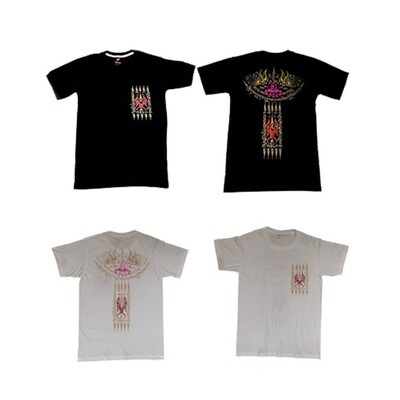
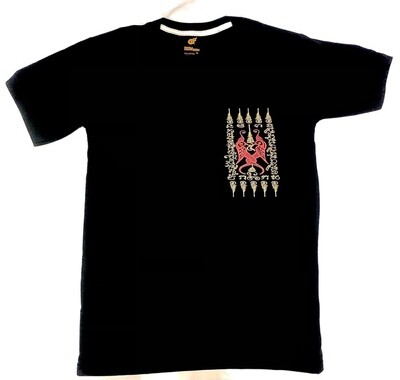
Suea Yant Salika Dong Yant Bua Gaew Color Silk Screen Print T-Shirt
Suea Yant Salika Dong Yant Bua Gaew Color Silk Screen Print T-Shirt
Free Shipping Worldwide
SKU 05000
$ 35.00
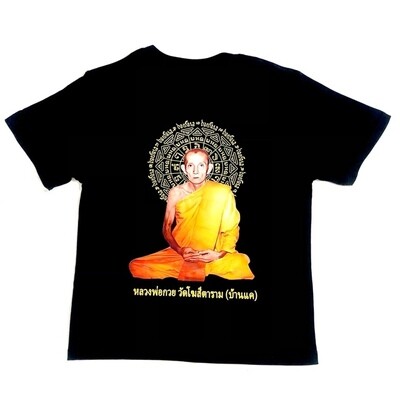
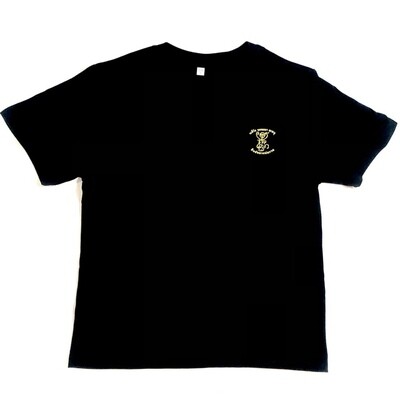
Sacred Yant T-Shirt Wai Kroo Looksit Luang Por Guay Devotees Edition
Sacred Yant T-Shirt Wai Kroo Looksit Luang Por Guay Devotees Edition
Free Shipping Worldwide
SKU 05004
$ 35.00
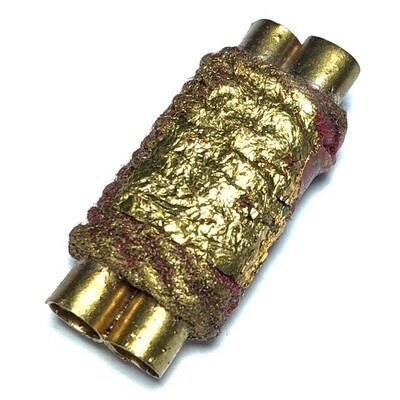
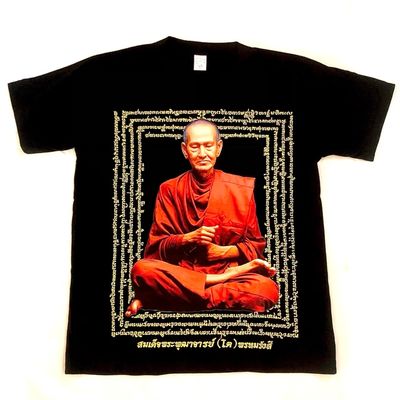
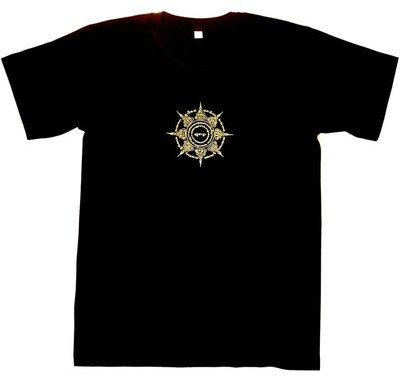
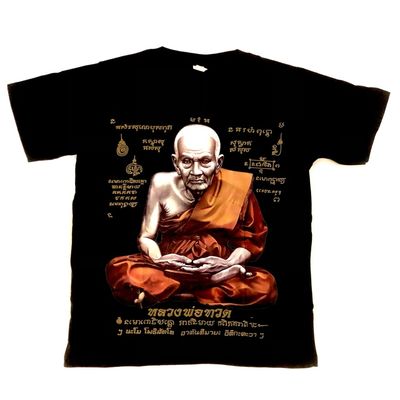
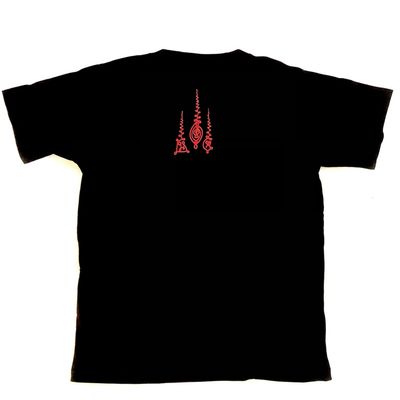
Sacred Thai Monk T-Shirt Luang Phu Tuad Wat Chang Hai
Sacred Thai Monk T-Shirt Luang Phu Tuad Wat Chang Hai
Free Shipping Worldwide
SKU 05059
$ 35.00
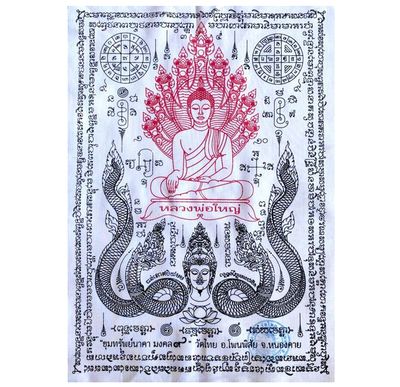
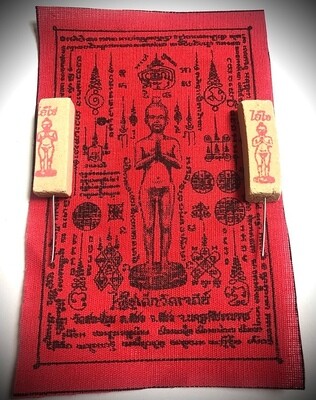
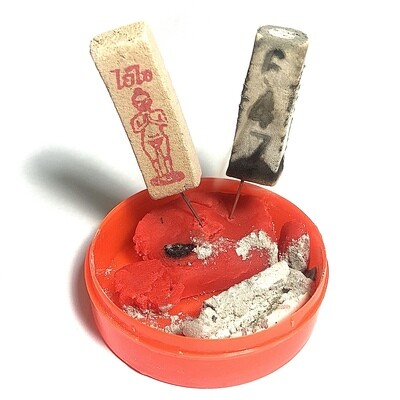
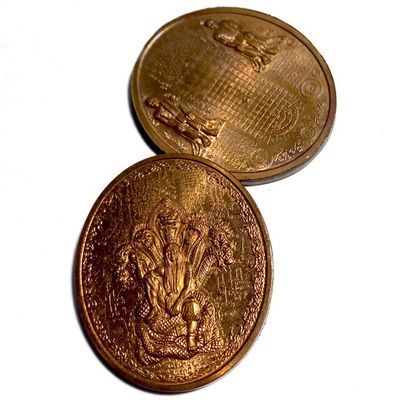
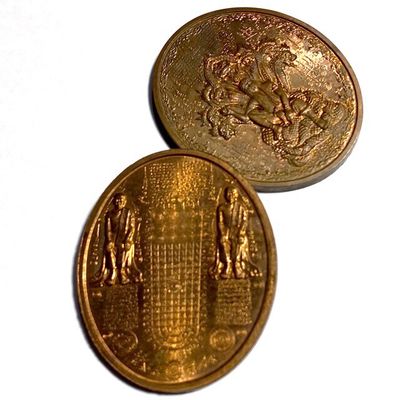
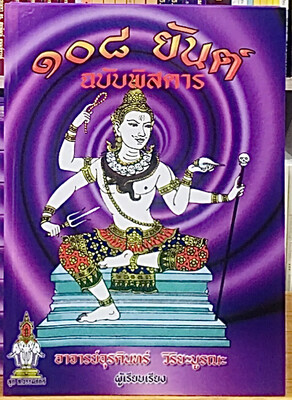
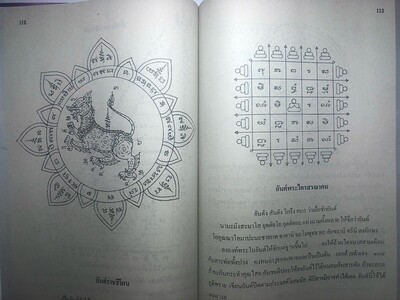
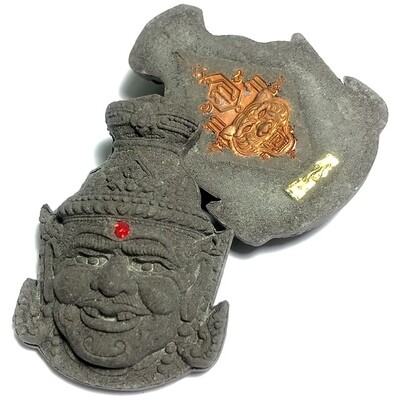
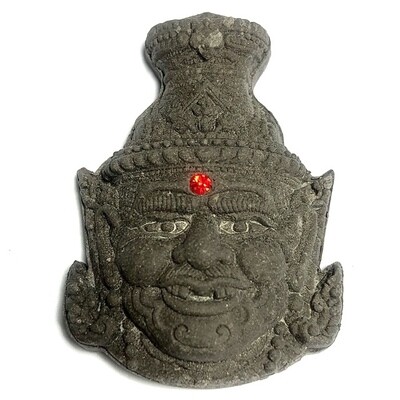
Phu Ruesi Ta Fai 2551 BE Nuea Pong Bai Lan Sacred black Parchment Powder Red Garnet 3rd eye 3 Takrut and Tiger Yant Luang Phu Naen Kampiro
Phu Ruesi Ta Fai 2551 BE Nuea Pong Bai Lan Sacred black Parchment Powder Red Garnet 3rd eye 3 Takrut and Tiger Yant Luang Phu Naen Kampiro
Free Shipping Worldwide
SKU 05143
$ 65.00
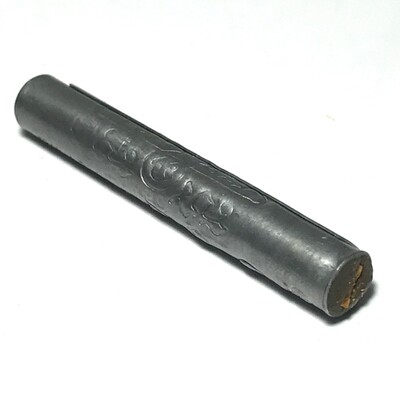
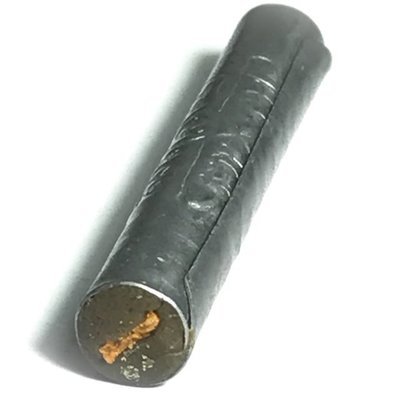
Takrut Taep Jinda Manee Ud See Pheung Khiaw Gesa Jiworn Yantra Scroll Spell + Nam Man Prai Monks Hair + Civara Robe - Luang Por Rat Wat Pha Hwaay
Takrut Taep Jinda Manee Ud See Pheung Khiaw Gesa Jiworn Yantra Scroll Spell + Nam Man Prai Monks Hair + Civara Robe - Luang Por Rat Wat Pha Hwaay
SKU 04007
$ 65.00
Sold out
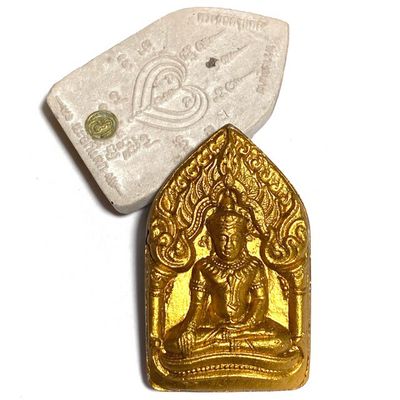
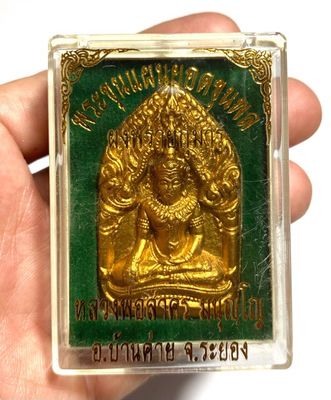
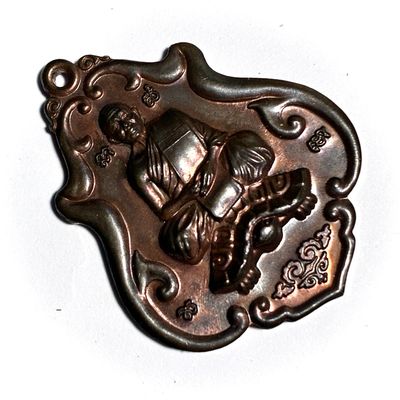
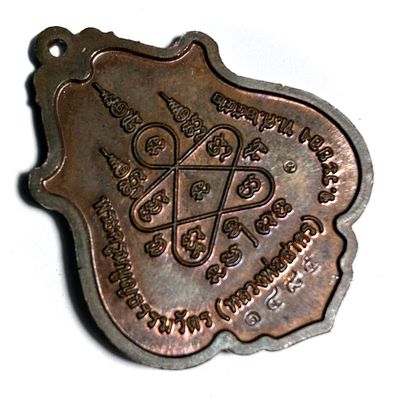
Khun Phaen Pim Yai Hlang Na Hua Jai Ok Dtaek Prai Tong Edition 2556 BE Nuea Pong Prai Kumarn 1 Look Namo + Chin Aathan - Luang Por Sakorn
Khun Phaen Pim Yai Hlang Na Hua Jai Ok Dtaek Prai Tong Edition 2556 BE Nuea Pong Prai Kumarn 1 Look Namo + Chin Aathan - Luang Por Sakorn
Free Shipping Worldwide
SKU 05122
$ 119.00
Out of stock
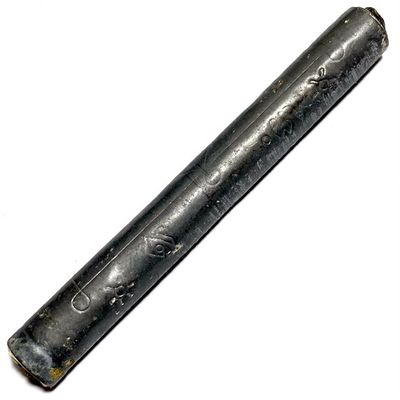
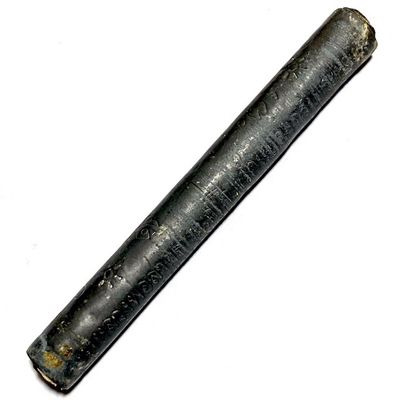
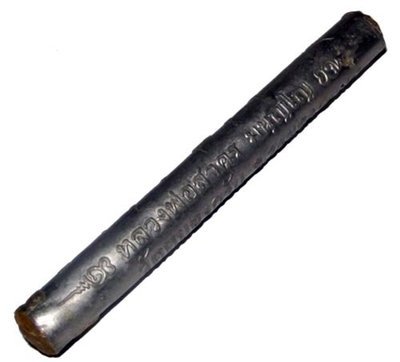
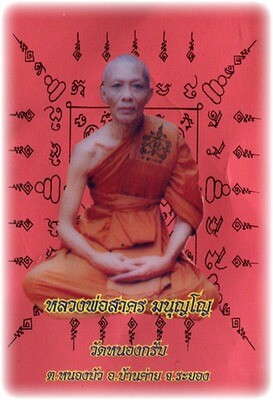
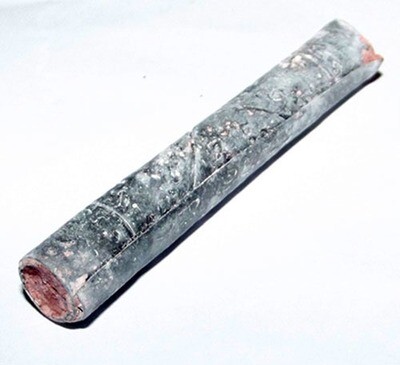
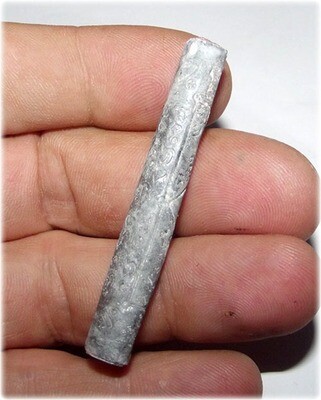
Takrut See Gler Suudt Boranajarn 2551 BE 4 Comrades Yantra Spell Prai Kumarn Powder Filled 4 Different Uses 70 Years Edition Luang Por Sakorn
Takrut See Gler Suudt Boranajarn 2551 BE 4 Comrades Yantra Spell Prai Kumarn Powder Filled 4 Different Uses 70 Years Edition Luang Por Sakorn
Free Shipping Worldwide
SKU 04796
$ 99.00
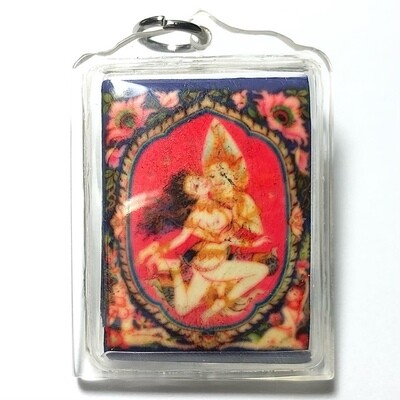
Sold out
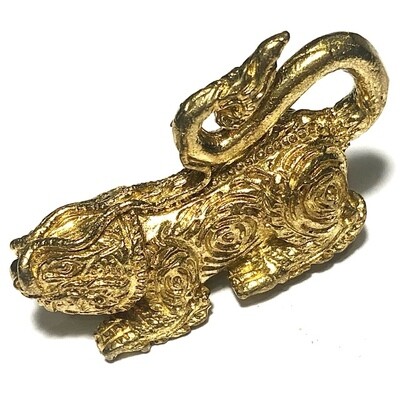
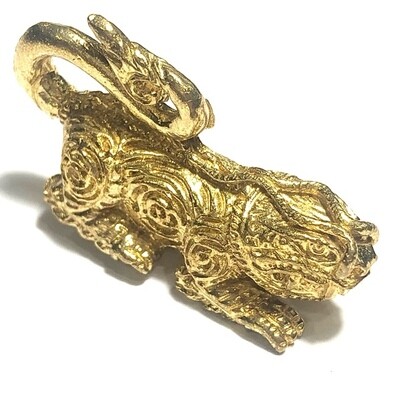
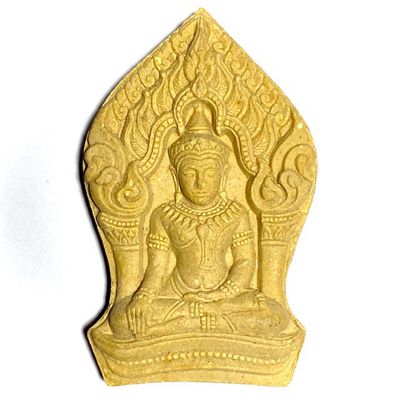
Paya Paetch Payatorn Himapant Animal Jaroen Baramee Edition 2555 BE Luang Por Glom Wat Nong Bua
Paya Paetch Payatorn Himapant Animal Jaroen Baramee Edition 2555 BE Luang Por Glom Wat Nong Bua
Free Shipping Worldwide
SKU 04997
$ 58.00
Out of stock
Display prices in:USD
Contact Us
Follow Us on Youtube
About Us
Ajarn Spencer
Proprietor
Thailand Amulets is owned and Administrated by Thai Occult and Amulet expert, Ajarn Spencer Littlewood who guarantees only authentic blessed amulets, and a free gift with every order, as well as his safe delivery or money back guarantee. https://facebook.com/ajarnspencer
