Thailand Amulets
Thai Buddhist and Magical amulets for Wealth, Health, Love and Happiness.
Vast Selection of Amulets
We have a vast selection of over 4000 different kinds of Sacred Amulets and Bucha Items, including Buddha Image, Loi Ongk statuettes, Buddhist Monk Coin Amulets, Takrut Charms, Nam Man Prai Oils, Mai Kroo Wands, Mitmor Ritual Knife, Lek Lai Kaya Siddhi Elemental Substance, Kumarn Tong, Gambling Amulets, Mae Nang Prai, Muan Sarn Sacred Powder Amulets, Palad Khik, Animist Charms, Necromantic Amulets, Buddhist, Animist, Brahman and Necromantic Amulets.
Categories

Rian Pra Prohm Sarapat Neuk Nuea Tong Daeng Rom Dam - Luang Por Wan Wat Klong Koon Solo Empowerment 10 Dec 2561 BE
SKU 05173
$ 85.00
In stock: 3 available
1
Save this product for later
Have questions?
Rian Pra Prohm Sarapat Neuk Nuea Tong Daeng Rom Dam - Luang Por Wan Wat Klong Koon Solo Empowerment 10 Dec 2561 BE
Product Details
Year of Issue: 2561 BE
Weight: 30 Grams with Box
Type of Amulet: Deity, Rian (Coin)
Magical Effects: Serm Duang, Siang Choke, Serm Yos, Metta Maha Niyom, Maha Lap, Klaew Klaad
Material: Nuea Tong Daeng Rom Dam
Recommended Uses: Improve Karma, Mercy Charm, Invincibility and Protection, Lucky Fortunes, Anti Black Magick
Size of Amulet: 4.5 x 3 Cm
Edition: Run Sarapat Neuk
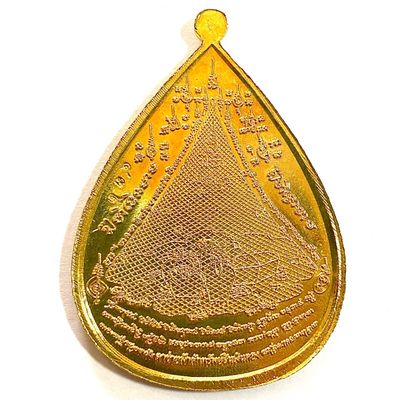
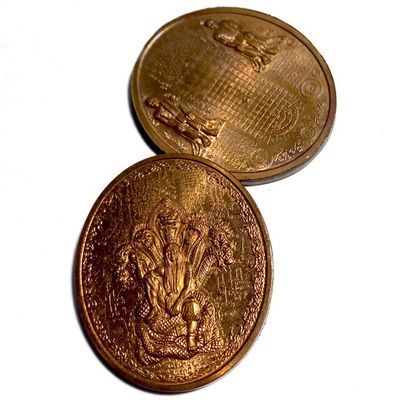
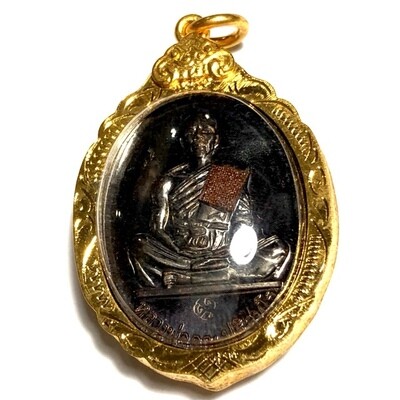
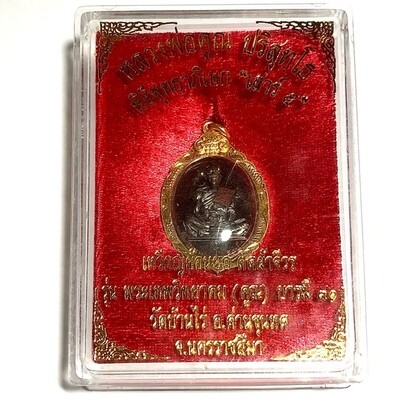
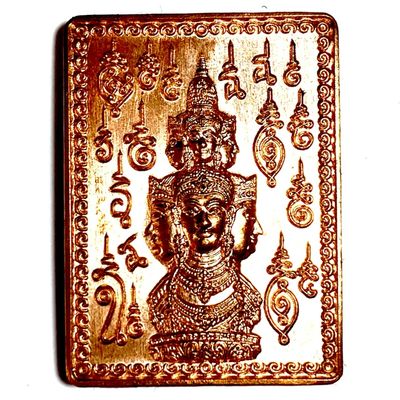
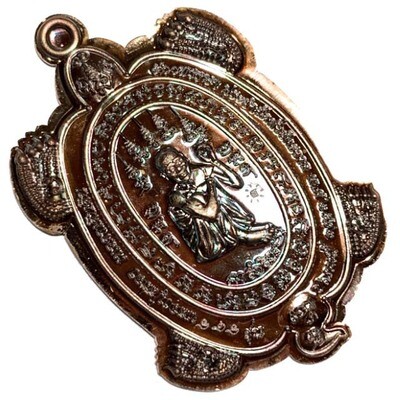
Rian Pra Prohm Sarapat Neuk, Luang Por Wan, Wat Klong Koon. Beautifully encased in waterprood gold micron casing, is this Brahma Sarapat Neuk Medal, in 'Nuea Tong Daeng Rom Dam', Sacred Copper Version with Traditional Dark Patina.

This Brahma Sarapat Neuk medal was issued as part of the Sarapat Neuk series in 2018 and is associated with Luang Por Wan of Wat Klong Koon, Phichit Province. The amulets in this series were individually consecrated by Luang Por Wan in a solo blessing ceremony held at Wat Samran Rat Samakkhi, Ban Kluai Subdistrict, Chon Daen District, Phetchabun Province.

The front of the medal depicts Brahma, the four-faced deity who occupies an important place in Thai Hindu-Buddhist religious traditions. Within popular devotional belief, Brahma is regarded as a divine being associated with creation, wisdom, destiny, and moral order. Devotees believe that Brahma protects those who act with virtue, generosity, and compassion, while encouraging individuals to live according to ethical principles and the law of karma.
For many worshippers, devotion to Brahma is associated with seeking wisdom, guidance, success in work and business, protection from adversity, personal development, and spiritual well-being. As a result, Brahma amulets remain among the most widely collected deity-based sacred objects in Thailand.

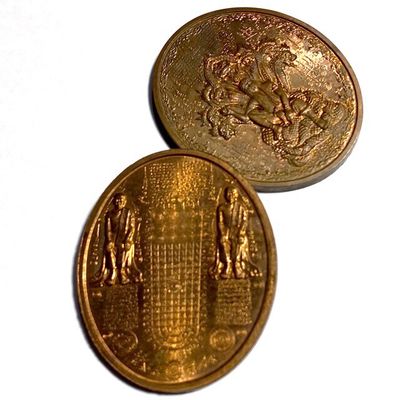
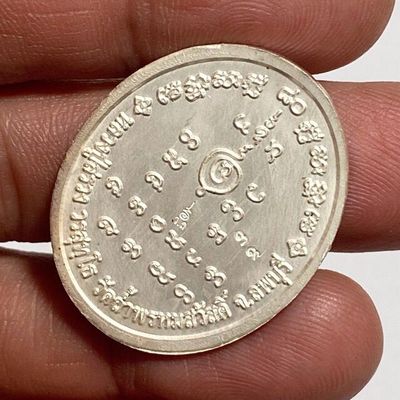
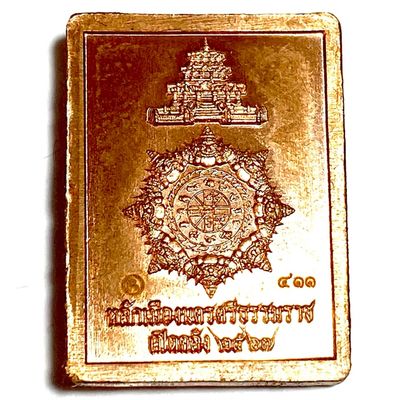
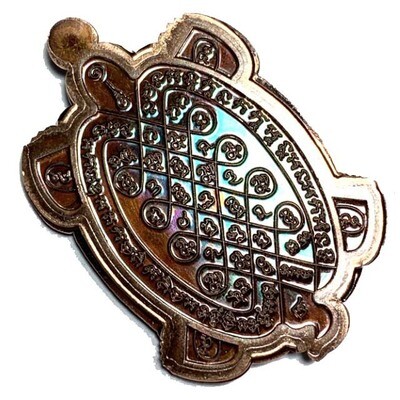
The reverse of the medal features the Solos Brahma Si Na Yantra, a highly complex sacred diagram that combines several traditional yantra systems into a single design. The outermost layer incorporates the Solos, or Sixteen, Yantra. In traditional interpretation, the number sixteen is associated with the sixteen heavenly realms connected with Brahma and also symbolizes sixteen virtues attributed to the Buddha.

The complete Solos Maha Mongkhon Yantra is composed of three principal yantra forms arranged in concentric layers. At the center is the Jaturo Yantra, surrounded by the Trinisinghe Formula Yantra, while the outer ring contains the Ariyasacca Solos Yantra. Together these form a layered structure intended to represent auspiciousness, spiritual protection, and sacred order according to traditional Thai esoteric symbolism.
Surrounding the yantra are sacred inscriptions derived from the Thirty Perfections, or Barami 30 That, which represent the qualities cultivated by a Buddha over countless lifetimes. The outer protective formula also incorporates the Chaturawut, or Four Divine Weapons, represented symbolically through four powerful mythological guardians.

On the left is the weapon of Alavaka Yaksha, represented by a magical noose. On the right is the weapon of Yama Raja, represented by the all-seeing eye. At the top is the weapon of Indra, represented by the thunderbolt. At the bottom is the weapon of Vessavana, represented by the mace. These four symbolic weapons are traditionally incorporated into protective yantra systems as emblems of strength, vigilance, authority, and spiritual defense.
For collectors, the Brahma Sarapat Neuk medal is notable for combining Brahma iconography with an unusually elaborate yantra design rooted in traditional Thai sacred geometry and esoteric symbolism. Within devotional practice, the amulet is commonly associated with protection, good fortune, popularity, prosperity, and general auspiciousness, making it one of the more distinctive releases from Luang Por Wan's 2018 Sarapat Neuk series.
The Brahma Sarapat Neuk amulet series is one of the more interesting commemorative releases associated with Luang Por Wan Kusalachitto of Wat Klong Koon in Phichit Province. While Luang Por Wan is widely known among collectors for his reputation in traditional Buddhist protective arts, particularly talismans and amulets associated with protection and invulnerability, this particular series was created primarily as a charitable fundraising project rather than as a commercial amulet issue.

The amulets were consecrated by Luang Por Wan in a solo blessing ceremony on 10 December 2018 at Wat Samran Rat Samakkhi in Phetchabun Province. Collectors sometimes encounter confusion regarding the temple name because local devotees often refer to the temple as Wat Khok Samran. In practice, these names refer to the same temple. Wat Samran Rat Samakkhi is the official registered name, while Wat Khok Samran is the commonly used local name derived from the village in which the temple is located.

According to information associated with the project, the amulets were created to help raise funds for the construction of a funeral and religious ceremony pavilion at the temple. Within Thai amulet culture, many collectors place considerable importance on the original intention behind an amulet's creation. Projects associated with temple development, community benefit, and support of religious activities are often regarded as having particularly positive merit-making foundations.
A notable aspect of this release was the solo consecration performed by Luang Por Wan. In Thai amulet circles, a solo blessing ceremony is often viewed as significant because the spiritual focus and ritual responsibility rest entirely with a single master. Collectors generally regard such ceremonies as a direct expression of the monk's personal lineage, ritual knowledge, and meditative concentration.

The ceremony also brought together two respected regional traditions. Luang Por Wan represented the Buddhist esoteric traditions of Phichit, while the event took place at the temple associated with Luang Ta Ruam of Phetchabun, a monk known locally for teachings and ritual practices connected with metta, attraction, and prosperity traditions. As a result, collectors often view the series as symbolically linking the spiritual traditions of both provinces.
The principal item in the series is the Brahma Sarapat Neuk medal, featuring the four-faced Brahma. In Thai religious culture, Brahma is commonly associated with blessings, success, opportunity, and the fulfillment of aspirations. Several metal versions were produced, including committee editions and standard public release versions. Among collectors, the brass rainbow-surface variety has attracted particular interest because of its distinctive appearance.

The reverse side of the medal incorporates a complex yantra design referred to by the creators as the Solos Brahma Si Na Yantra. The design combines multiple layers of traditional sacred geometry and protective inscriptions. According to traditional interpretations, the various components are intended to represent protection, prosperity, spiritual safeguarding, and the removal of negative influences. Like many Thai yantra-based amulets, its significance lies not only in the visual design but also in the ritual tradition from which it originates. The amulets were produced in several materials, including cast metal versions and sacred powder versions.

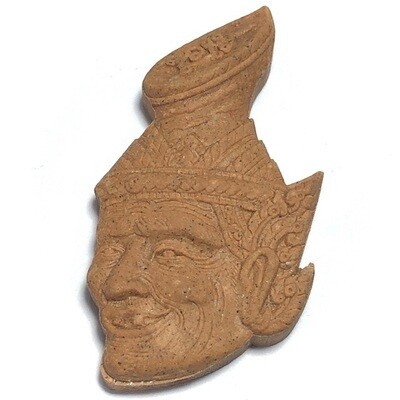
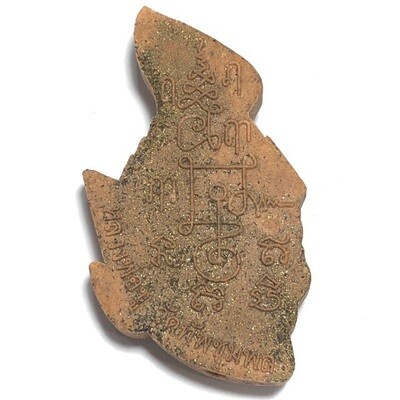
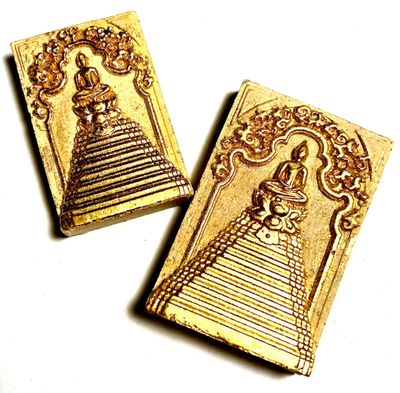
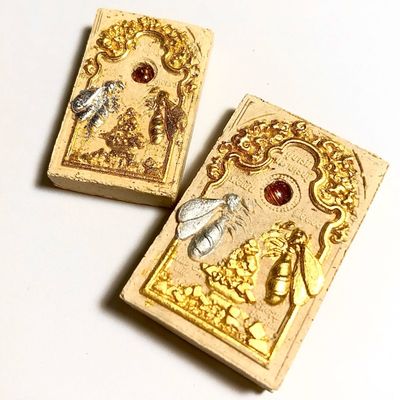
The same consecration ceremony also included Phra Pidta Maha Lap amulets. These powder amulets were produced with a mixture said to contain Lek Lai mineral substance, a legendary material that occupies a special place within Thai occult and amulet traditions. Among devotees, Lek Lai is frequently associated with protection, prosperity, and spiritual safeguarding.
Also included in the series was a small talismanic bead known as Luk Om Khot Setthi, or "Supreme Wealth Bead." Produced in several metal variations, the bead bears sacred inscriptions on both sides. One side features the well-known five-Buddha formula Na Mo Phut Tha Ya, while the other incorporates inscriptions associated with wealth and prosperity. These small portable talismans remain popular among collectors because they can be worn on bracelets, necklaces, or carried discreetly.

From a collector's perspective, the Brahma Sarapat Neuk series of 2018 represents a modern Thai amulet issue with several attractive characteristics. It combines a respected consecrating monk, a clearly documented charitable purpose, a solo blessing ceremony, multiple amulet forms, and a blend of Buddhist and Hindu-inspired iconography. For these reasons, it continues to attract interest among collectors of contemporary Thai sacred objects, particularly those who specialize in the amulets of Luang Por Wan and the wider traditions of the upper Central Thai region.

You May Also Like
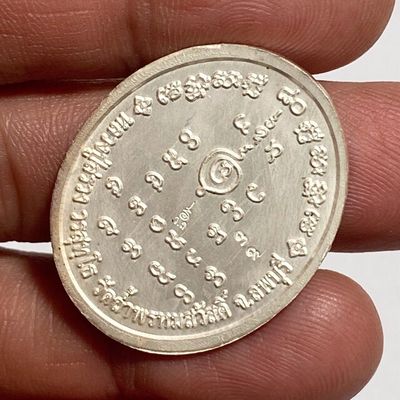
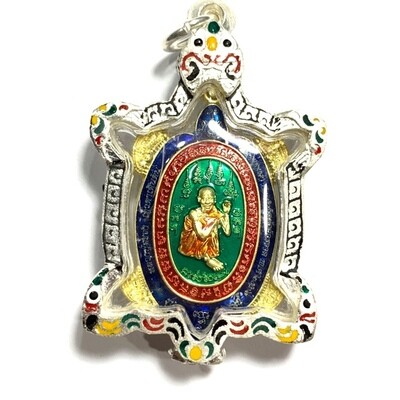
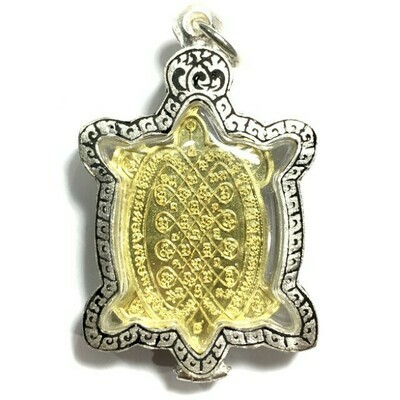
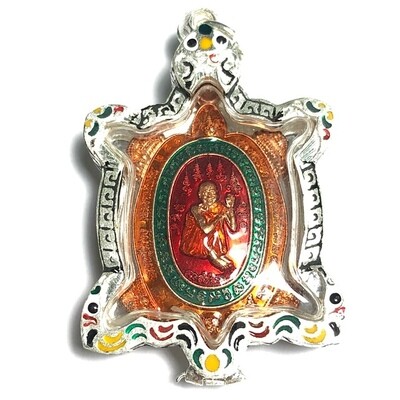
Rian Roop Khai Boran Hlang Nuea Tong Khaw Ongk Nava Silver Alloy with Nava Loha Image LP To 2556 BE 125th Anniversary Edition Wat Tham Singto Tong 125 Monks Blessing Only 1499 Made
Rian Roop Khai Boran Hlang Nuea Tong Khaw Ongk Nava Silver Alloy with Nava Loha Image LP To 2556 BE 125th Anniversary Edition Wat Tham Singto Tong 125 Monks Blessing Only 1499 Made
SKU 04629
$ 85.00
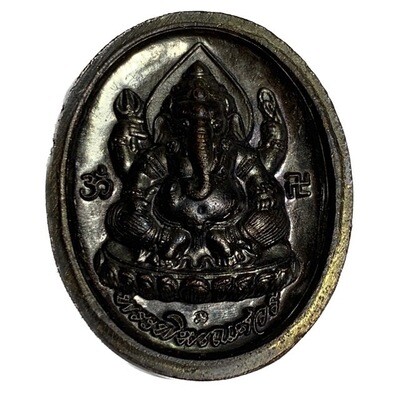
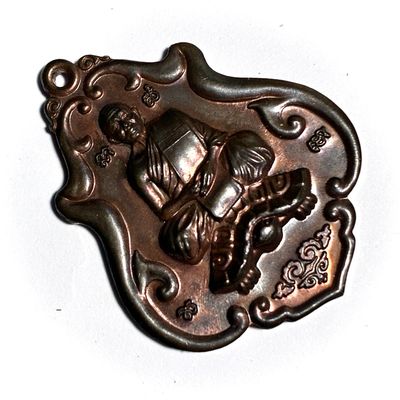
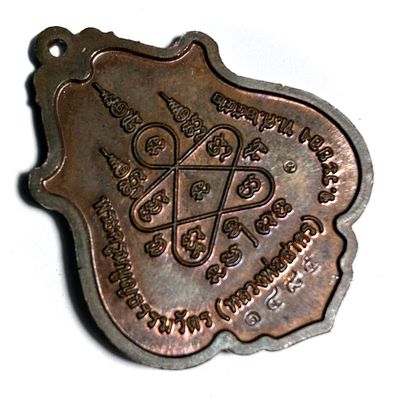
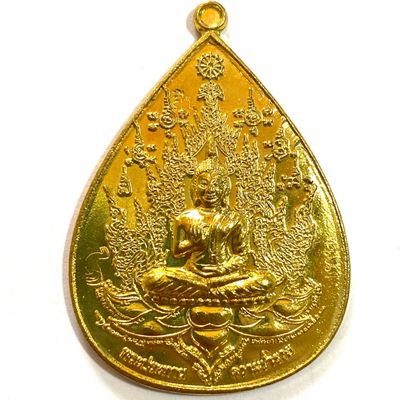
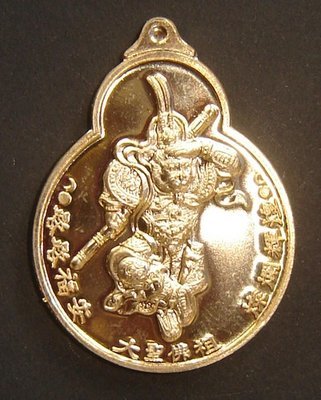
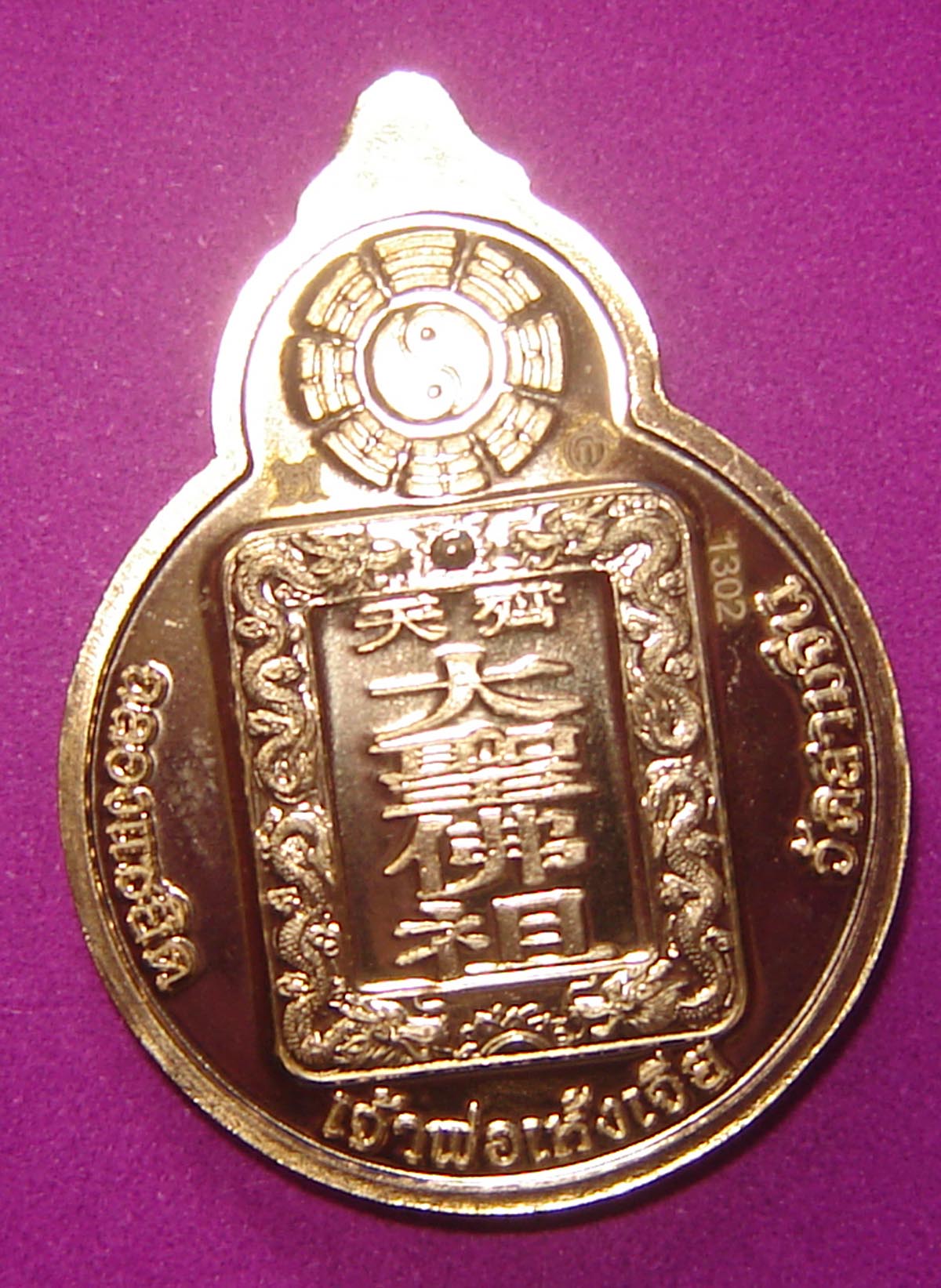
Rian Nam Tao Jao Por Heng Jia Thai-Chinese Monkey Arahant God - Pang Chana (Winning) - Nuea Chanuan Loha Taat (sacred iron alloys from Bucha statues) - Wat Sam Jeen 2554 BE special edition
Rian Nam Tao Jao Por Heng Jia Thai-Chinese Monkey Arahant God - Pang Chana (Winning) - Nuea Chanuan Loha Taat (sacred iron alloys from Bucha statues) - Wat Sam Jeen 2554 BE special edition
SKU 00978
$ 72.00
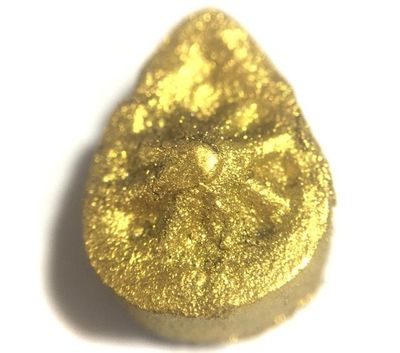
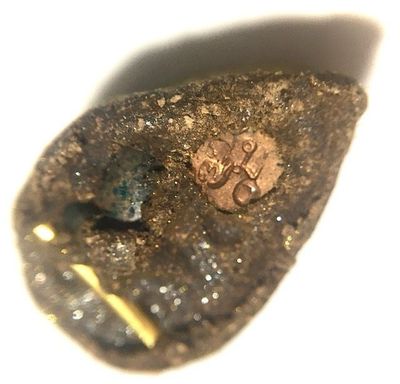
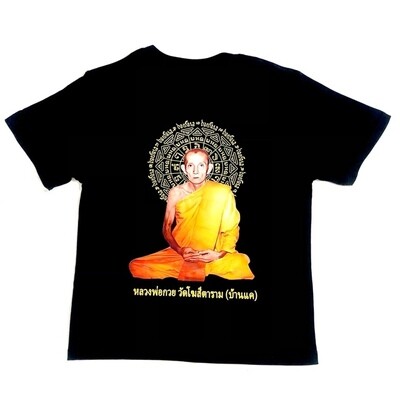
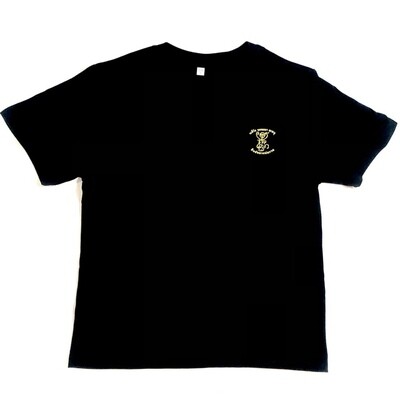
Sacred Yant T-Shirt Wai Kroo Looksit Luang Por Guay Devotees Edition
Sacred Yant T-Shirt Wai Kroo Looksit Luang Por Guay Devotees Edition
Free Shipping Worldwide
SKU 05004
$ 35.00
Sold out
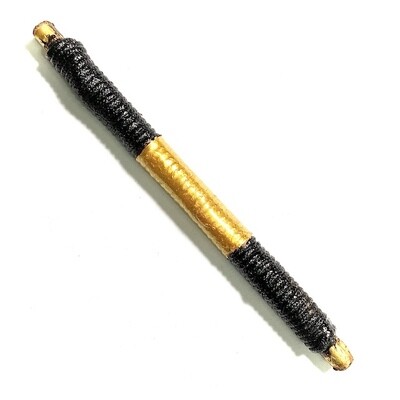
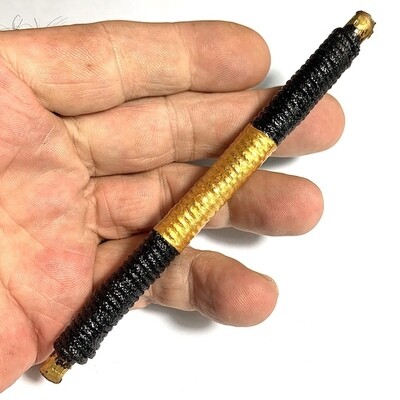
Takrut Choke Lap Ma Ha Ud Pong Serm Palang Gaay Filled with Libido Increasing Powders 2564 BE LP Simpalee 126 Year Old Monk Only 299 Made
Takrut Choke Lap Ma Ha Ud Pong Serm Palang Gaay Filled with Libido Increasing Powders 2564 BE LP Simpalee 126 Year Old Monk Only 299 Made
Free Shipping Worldwide
SKU 04791
$ 99.00
Out of stock
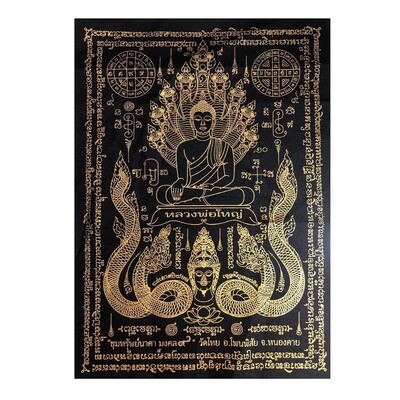
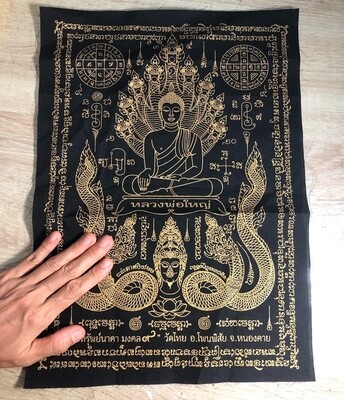
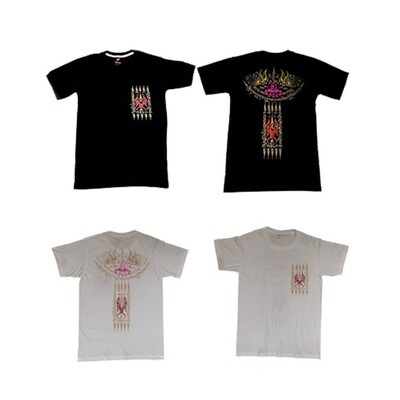
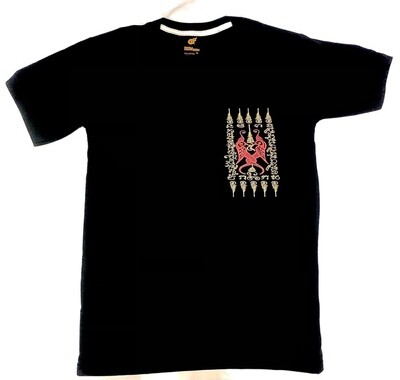
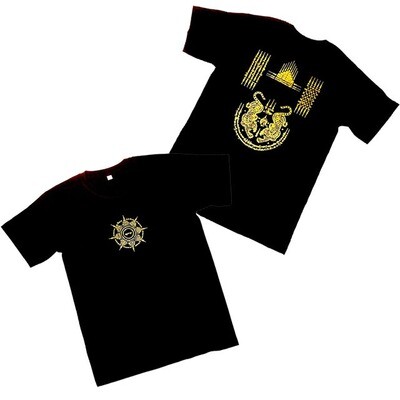
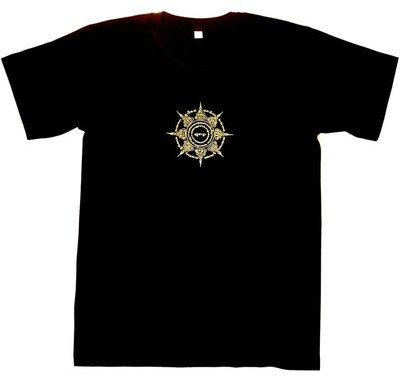
Suea Yant Salika Dong Yant Bua Gaew Color Silk Screen Print T-Shirt
Suea Yant Salika Dong Yant Bua Gaew Color Silk Screen Print T-Shirt
Free Shipping Worldwide
SKU 05000
$ 35.00
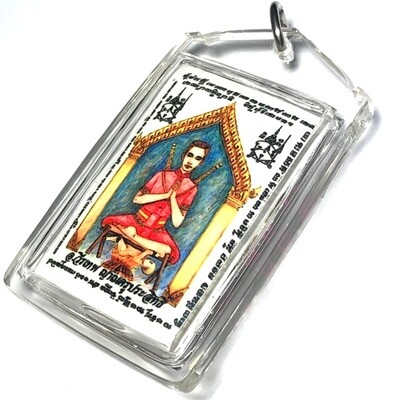
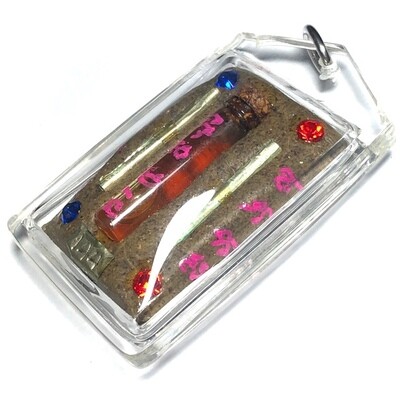
Khun Phaen Yang Kumarn Tong - Nuea Pong Look Krok, Ploi Sek Nam Man Prai Kumarn Bone Powder, Gems, Takrut Prai Oil - Ajarn Wirataep No.144 of 199 Made
Khun Phaen Yang Kumarn Tong - Nuea Pong Look Krok, Ploi Sek Nam Man Prai Kumarn Bone Powder, Gems, Takrut Prai Oil - Ajarn Wirataep No.144 of 199 Made
Free Shipping
SKU 05169
$ 299.00
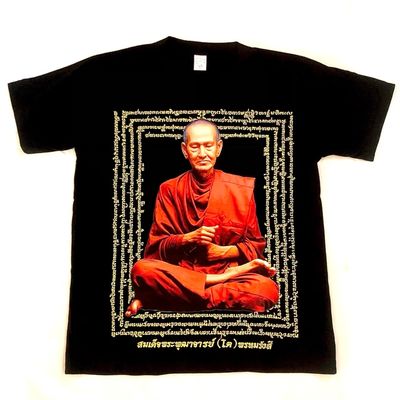
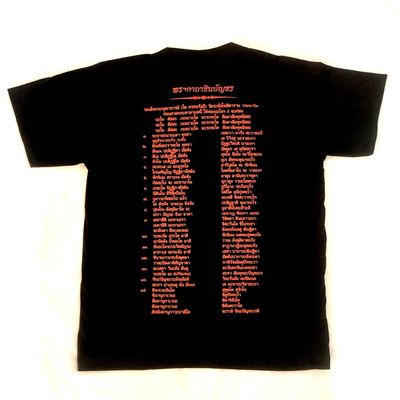
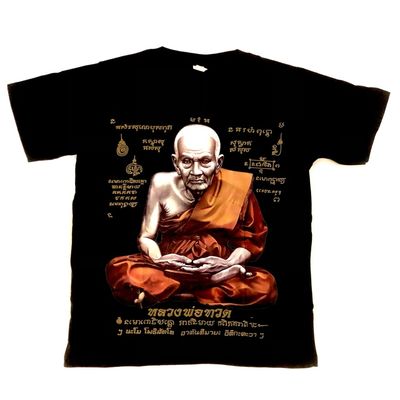
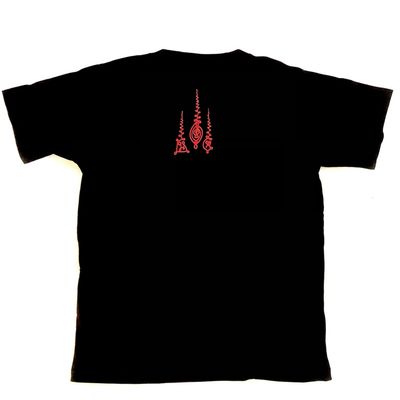
Sacred Thai Monk T-Shirt Luang Phu Tuad Wat Chang Hai
Sacred Thai Monk T-Shirt Luang Phu Tuad Wat Chang Hai
Free Shipping Worldwide
SKU 05059
$ 35.00
Display prices in:USD
Contact Us
Follow Us on Youtube
About Us
Ajarn Spencer
Proprietor
Thailand Amulets is owned and Administrated by Thai Occult and Amulet expert, Ajarn Spencer Littlewood who guarantees only authentic blessed amulets, and a free gift with every order, as well as his safe delivery or money back guarantee. https://facebook.com/ajarnspencer
