Thailand Amulets
Thai Buddhist and Magical amulets for Wealth, Health, Love and Happiness.
Vast Selection of Amulets
We have a vast selection of over 4000 different kinds of Sacred Amulets and Bucha Items, including Buddha Image, Loi Ongk statuettes, Buddhist Monk Coin Amulets, Takrut Charms, Nam Man Prai Oils, Mai Kroo Wands, Mitmor Ritual Knife, Lek Lai Kaya Siddhi Elemental Substance, Kumarn Tong, Gambling Amulets, Mae Nang Prai, Muan Sarn Sacred Powder Amulets, Palad Khik, Animist Charms, Necromantic Amulets, Buddhist, Animist, Brahman and Necromantic Amulets.
Categories

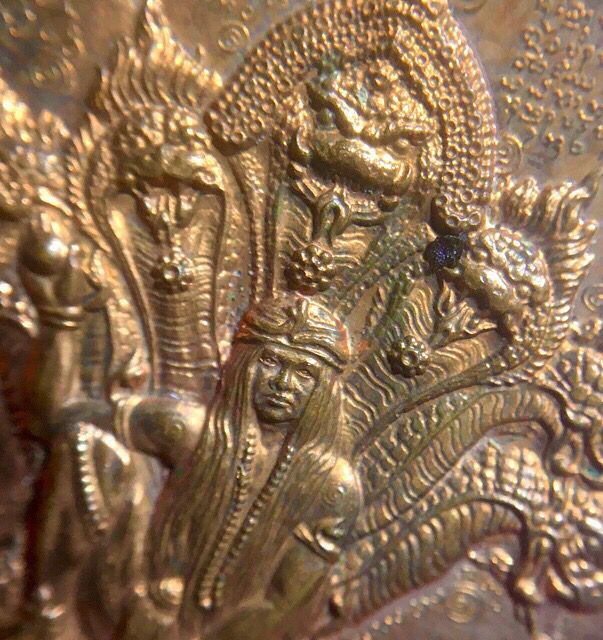
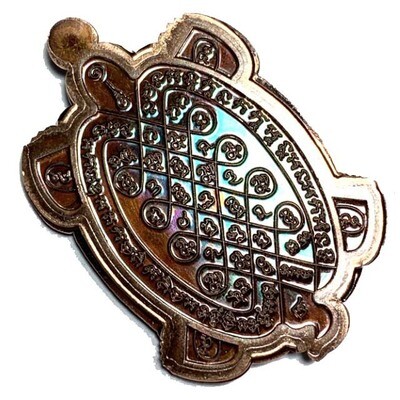
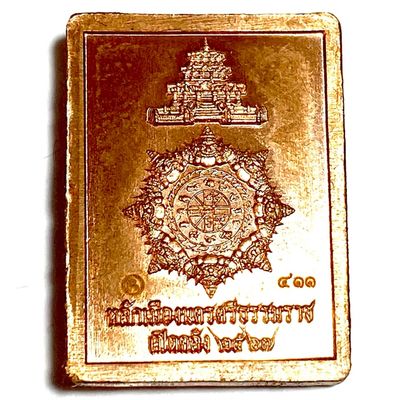
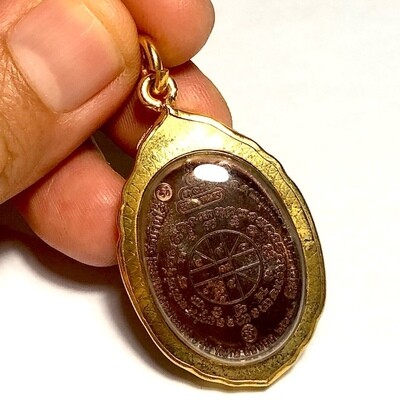
Rian Maha Yant Taep Naka Nuea Tong Daeng Great Yantra of the Nagas Medallion Amulet - Ajarn Mom Niranam 2549 BE
SKU 05140
$ 349.00
Encasement Option
Please choose
Free Shipping Worldwide
In stock: 1 available
1
Save this product for later
Have questions?
Rian Maha Yant Taep Naka Nuea Tong Daeng Great Yantra of the Nagas Medallion Amulet - Ajarn Mom Niranam 2549 BE
Product Details
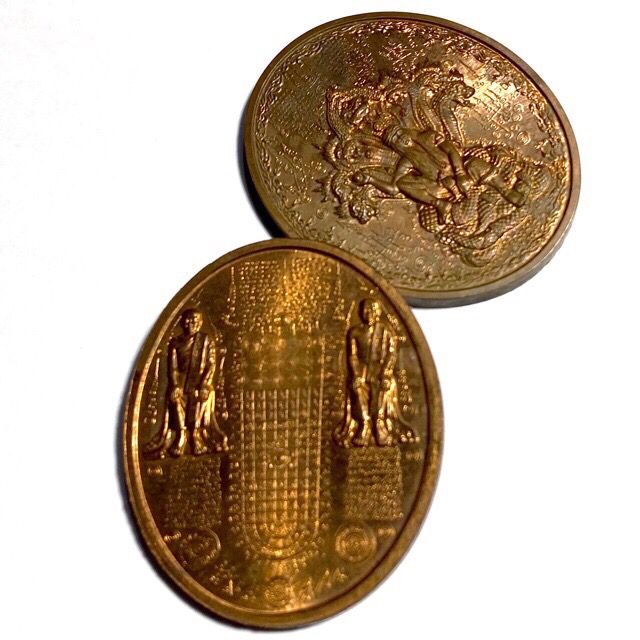
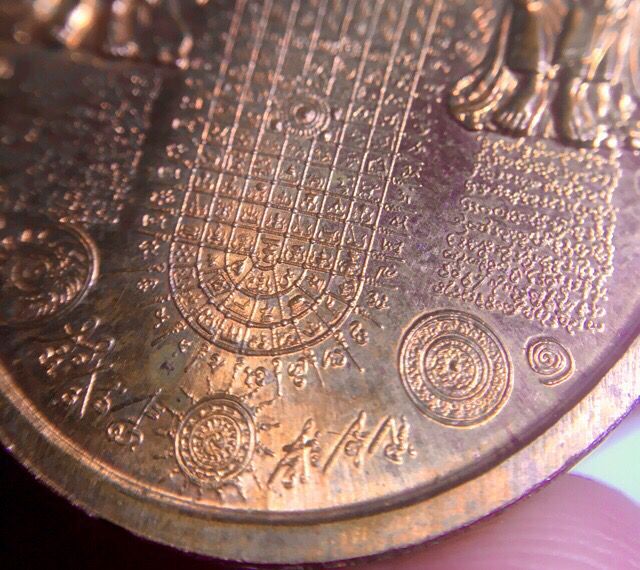
The Rian Maha-Yant Taep Naka, in Nuea Tong Daeng, created by Ajarn Mom Traipoom, a figure whose identity remains largely anonymous. The standard version was reportedly manufactured in 2549 BE, or 2006 CE. The medal is typically made of copper and measures about three centimeters in height. One description notes that the back side references Luang Pu Thep Lok Udon, linking it to other respected spiritual figures, and emphasizing that this is not a casual commemorative piece but a talisman with intention and ritual behind it.
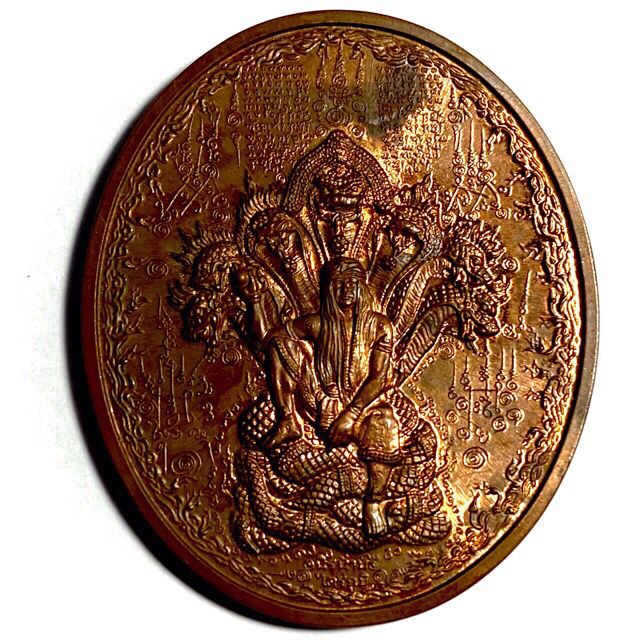
The name Taep Naka evokes the serpent-deity or naga mythos, common in Thai, Buddhist, and animist traditions. Naga are mythic serpent-spirits, often guardians of water, hidden realms, or sacred spaces. Maha-Yant literally means great yantra, indicating the medal carries sacred inscriptions or geometrical patterns intended to imbue spiritual power or protection. The amulet combines this mythic naga symbolism with magical or devotional intention rather than serving merely as a keepsake.
Collectors and believers describe the medal as providing protection, especially for people in risky professions such as soldiers, police, or those working in dangerous regions. It is also said to enhance baramee, the spiritual prestige or charisma that can improve social standing or personal dignity. Additional attributes commonly associated with yantra-style amulets, such as metta, attraction, charm, or good fortune, are also sometimes invoked. The medal is understood as a spiritual tool bridging worldly life with sacred or supernatural protection.
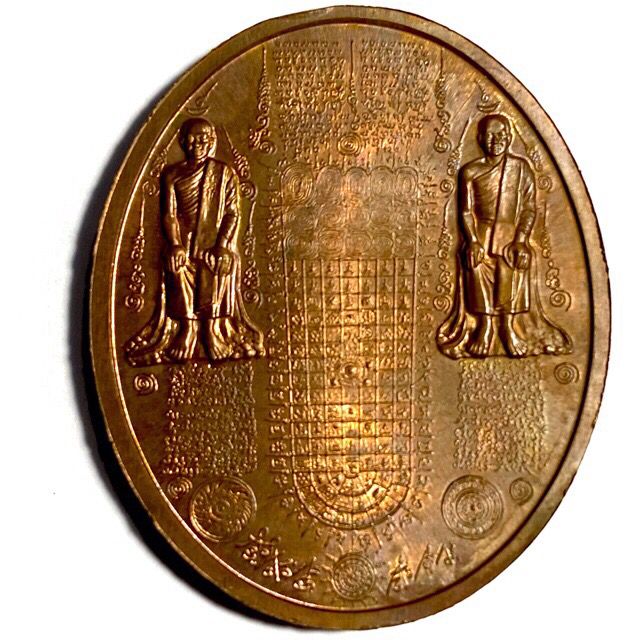
The circulation of the medal appears limited. It seems to have been distributed rather than sold commercially, often handed out after blessing ceremonies. Because of the small number of surviving pieces, collectors regard them as rare, and well-preserved examples with clear embossed details are particularly valued.
Documentation on the amulet is scarce, relying primarily on informal sources such as forums, sales listings, and collector photos. There is no verifiable historical record confirming the origins of Ajarn Mom Traipoom or the specifics of the consecration ceremony. The precise number of medals created, distributed, and still in existence remains unknown. Claims about the amulet’s protective or spiritual power are therefore anecdotal and rooted in belief rather than independent verification. The amulets of Ajarn Mom, are extremely heard about, popular and rare to acquire, due to a large amount of extremely noticeable effects coming from devotees who have rented and made Bucha to these amulets. His amulets are made in very small numbers, and are extremely difficult to find and acquire. Mostly, all of his editions end up completely sold out soon after release, and only once in a while does one get the chance to find one available. This master has become an impossible to find reclusive master, who is only ever really heard of after he releases amulets, most of which are nearly always to raise funds for a temple, or some other great cause for the preservation and perpetuation of Buddhism. He remains reclusive and does not make a show of things when he is not actively making and empowering amulets. Despite his obvious intention to avoid fame seeking, and his reclusive manner, he has ascended to the status of the Top Ten Adept Masters of Wicha Saiyasart in Thailand.
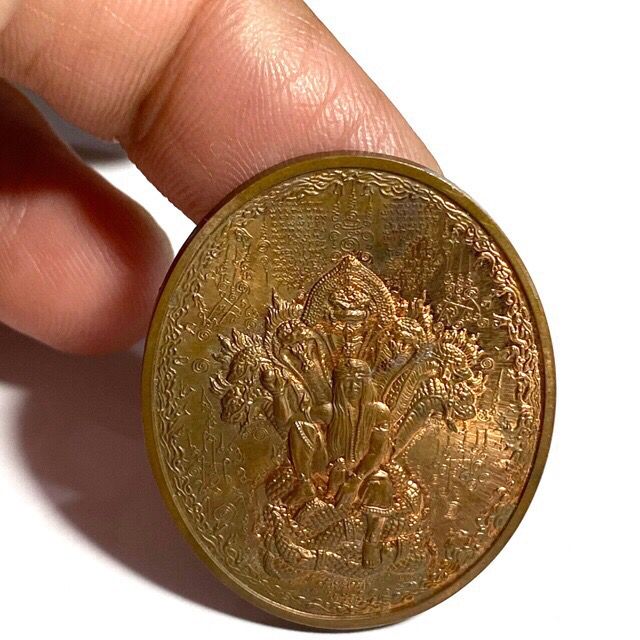
Ajarn Mom is not a name that is heard of on the common popular amulet circuits, but in fact he is a Cult Status Famous Master with those in the know. He is a kind of trade secret, that this Master with incredible psychic powers and Magical Wicha, knows how to make truly powerful and really effective love charms and riches amulets. His Wicha is reminiscent of the great Ajarn Chum Chay Kiree, whose powers were undoubtable (due to public demonstrations with guns and knives to test the power, which left everyone believing in what their own eyes had seen). Symbolically, the medal draws on overlapping traditional motifs. Naga are seen as guardians of hidden power, fertility, and wealth, connecting the holder to primordial protective forces. The sacred inscriptions and yantra patterns blend Buddhist, animist, and astrological elements, serving both spiritual and worldly functions. In Thai society, amulets function as portable shrines or spiritual insurance, especially for those in dangerous or precarious circumstances.
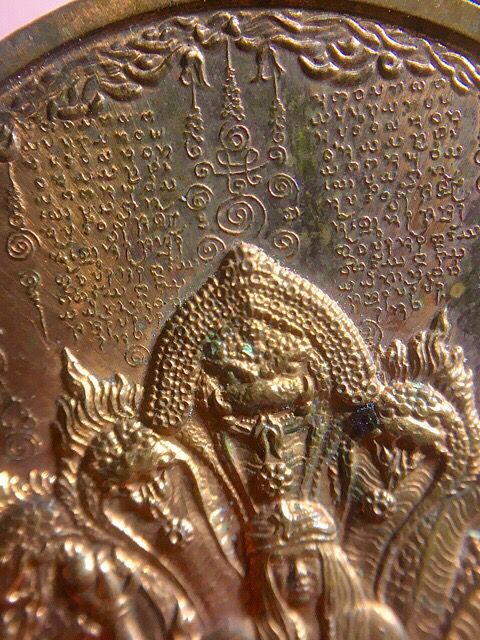
Whether regarded as activated magic or symbolic talisman, the Taep Naka medal concentrates faith, myth, social hope, and identity. From a rational perspective, the lack of verifiable origin suggests it should be approached as a folk-amulet with uncertain provenance, where power is conferred by belief, community acknowledgment, and personal devotion. Treated as a spiritual or metaphorical anchor, it connects the holder to naga tradition, to hopes for protection and baramee, and to a shared network of believers and collectors. This combination of myth, faith, and social function is what gives the medal significance and enduring interest in Thai culture.
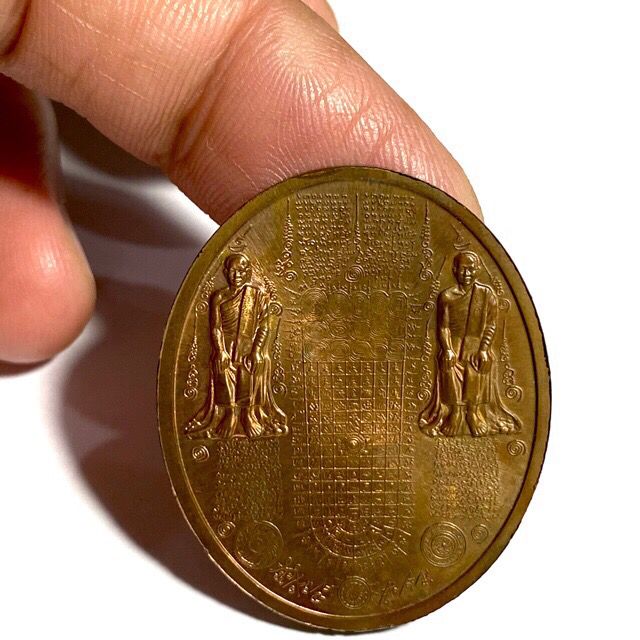
Ajarn Mom Niranam Traipoom was a mysterious and revered figure. Very little is known about his personal background, yet his followers referred to him with deep respect as Niranam Traipoom, or Ajarn Yai Niranam Traipoom. Many accounts praise his holiness, though he himself never sought fame or recognition.
The name “Niranam” literally means “nameless,” or “one who does not wish to exist.” In Buddhist interpretation, it carries an even deeper connotation—signifying no one, no name, and the absence of self. The word “Traipoom” in Buddhism traditionally refers to the three realms: heaven, hell, and the human world. For Ajarn Niranam, however, the term symbolized three existential conditions: desire, existence, and non-existence.
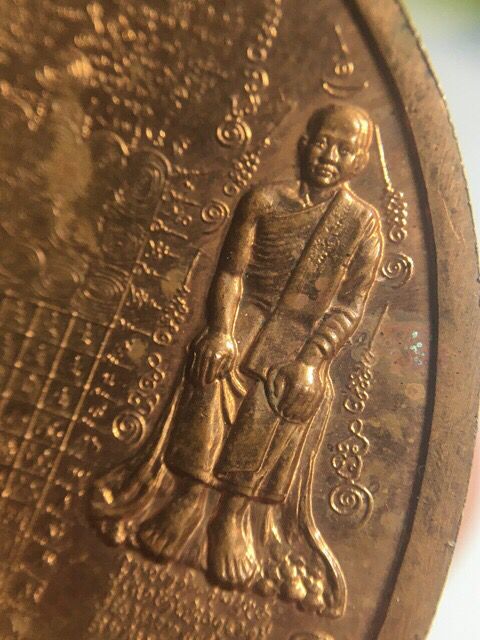
His legendary sanctity is described as beyond comprehension, with many extraordinary phenomena attributed to his presence, which cannot easily be explained by science. Devotees often reported experiencing his holiness directly, either through worship, or through the possession of his amulets.
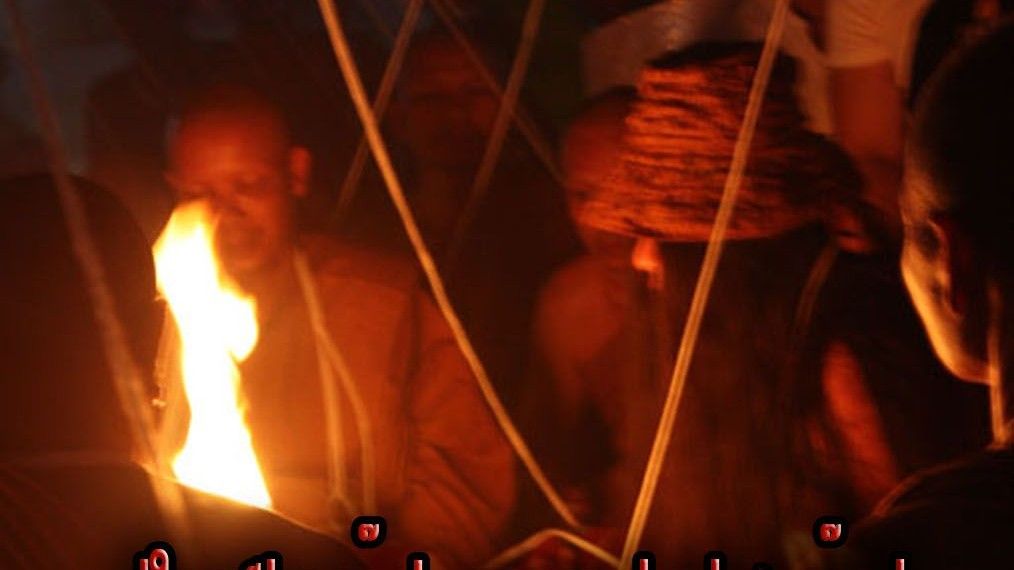
Numerous witnesses claimed to see radiant auras emanating from these amulets. Followers also shared unusual photographs in which spiritual beings appeared—spirits, angels, hermits, Bodhisattvas, or Nagas—emerging from candle flames, or shining forth from the center of the amulets. In moments of meditative insight, many sensed his power and spiritual perfection, though much about his holiness remained unanswered and mysterious.
When consecrating amulets, Ajarn Niranam consistently invited highly respected masters, monks, and accomplished meditators to participate in his ceremonies. Among those often present were Luang Pu Kowitpattananodom (Luang Pu Kiang), abbot of Noon Kade Temple in Sri Saket; Luang Pu Lamai Titamano, abbot of Suan Pa Smunpai (Forest Herbal Garden) in Phetchabun; Luang Pu Chanhom Supataro from Keelek Pond in Ubon Ratchathani; Phra Ajarn Dang Oparso from Rai Temple in Pattani; and Phra Ajarn Pasut Piyathamo (Luang Pho Pasut) from Nai Tao Temple in Trang, along with many others.
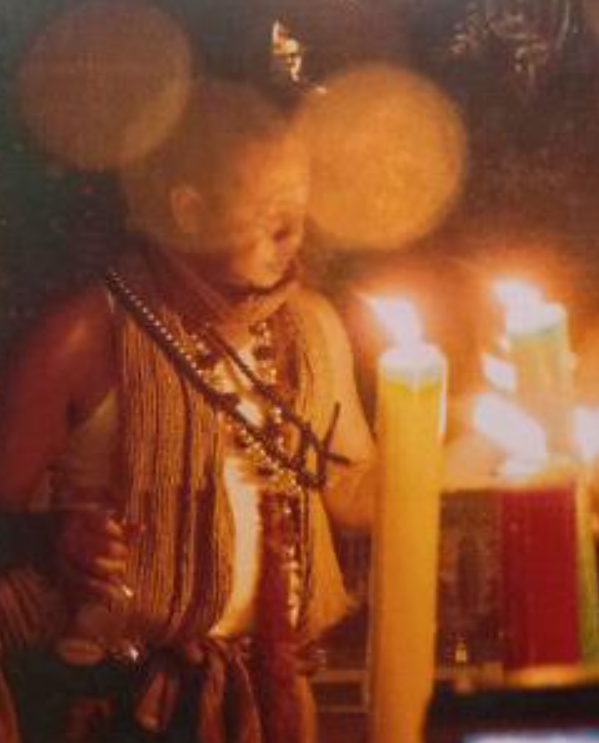
The traditional term putta pisek refers to consecrating or “enchanting” a Buddha image. Ajarn Niranam, however, taught that no one could truly consecrate a Buddha figure, for the Buddha stands beyond all three realms—heaven, hell, and the human world. Instead, he invited these masters to unite their meditative strength, and concentrate their spiritual power as one. This combined energy, he explained, represented the power of the universe itself.
Such power, he taught, could transform soil, rock, or metal into sacred objects. By imbuing these materials with positive spiritual force, they in turn radiated blessings to all who prayed with them. In this way, holiness was transmitted through prayer.
Ajarn Niranam’s mission was to act as a bridge between the age of the historical Buddha, and the coming era of Metteyya (Maitreya). This purpose guided his creation of amulets, which he funded entirely from his own resources. He distributed them freely—especially to soldiers, police officers, and ordinary people—not for profit or fame, but to preserve Thai culture and Buddhism.
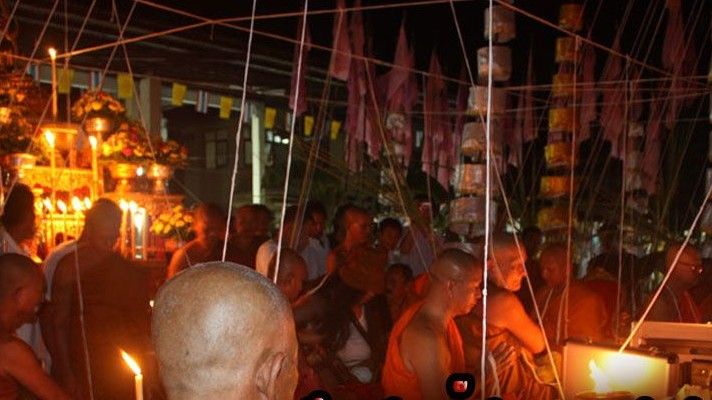
He repeatedly emphasized that faith should be directed not toward him personally, but toward the sacredness of the Buddha. His goal was to foster peace, encourage moral conduct, and preserve the Dhamma so that Buddhism might endure for its predicted 5,000 years, until the age of Metteyya.
Ajarn Niranam declared that his perfections, or barami, had been cultivated over many lifetimes. By creating and dedicating amulets, he continued to accumulate these barami. His followers recognized him as a selfless giver, always happier to give than to receive, regardless of material value.
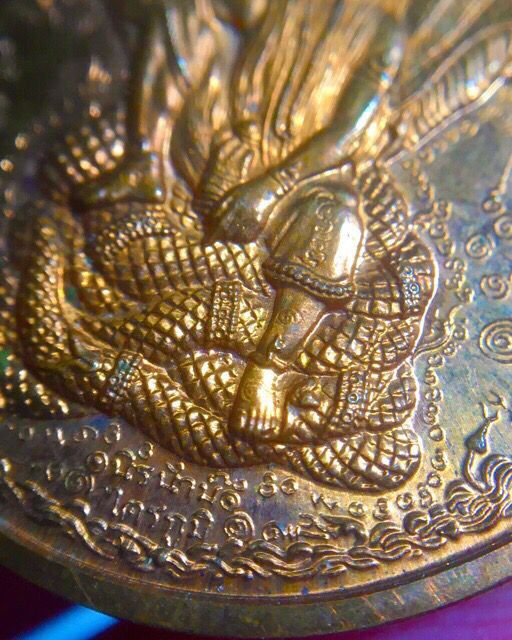
The amulets he created embodied immense power and sanctity. Their designs combined elements of Buddhist art, celestial iconography, sacred letters, occult numerology, and mystical symbols, including representations of angels, the Dhamma, and the cosmic language of the universe.
These designs reflected the spiritual attainments he had carried over from previous existences. He needed no teacher, for when he concentrated on any symbol, its meaning would unfold naturally before him, granting understanding not only of one language, but of all languages.
Thus, those who possessed his amulets felt his sanctity, gaining confidence in their protection. Owners reported blessings of safety, good fortune, and happiness. Yet Ajarn Niranam always insisted that the amulet’s possessor must live morally, and uphold righteous conduct.
He also made clear that Dhamma and sacred incantations were never to be sold. He consistently taught impermanence, suffering, and non-self, and he urged followers to believe in cause and effect, and in the reality of karma. Through practice, one could aspire toward nirvana, and embody the qualities of a true master.
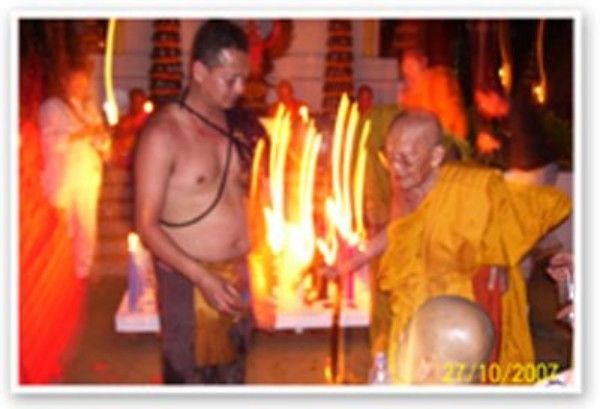
He encouraged the making of merit, generosity, and donations, reminding his disciples that no one—not even the possessor of an amulet—was exempt from the law of karma. Merit and karma govern all beings, and none can escape their influence.
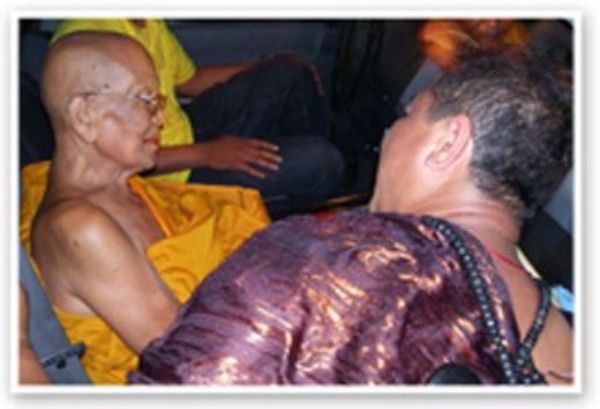
While karma cannot be avoided, its effects may be delayed or mitigated through continual acts of merit. Thus, Ajarn Niranam taught that every person must make merit diligently, and with determination.

<
You May Also Like
Sold out
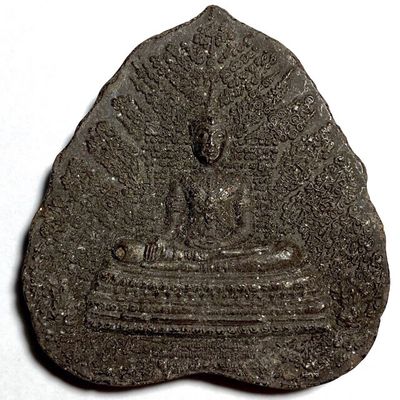
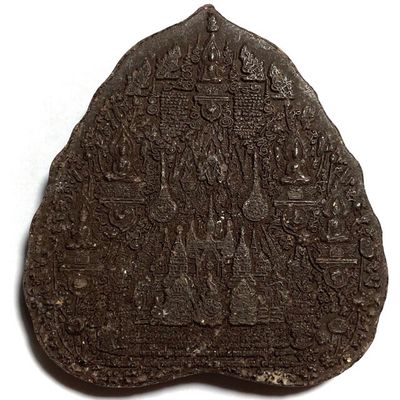
Pra Pong Maha Yant Putta Nimit Pichit Mara 2549 Ajarn Mom Niranam
Pra Pong Maha Yant Putta Nimit Pichit Mara 2549 Ajarn Mom Niranam
Free Shipping Worldwide
SKU 05137
$ 199.00
Out of stock
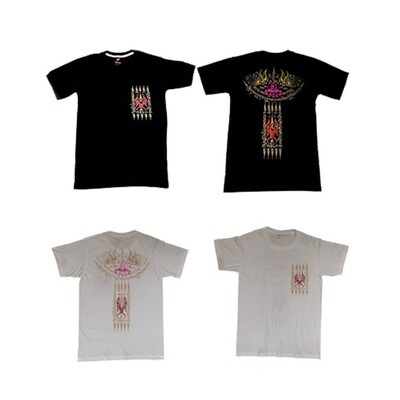
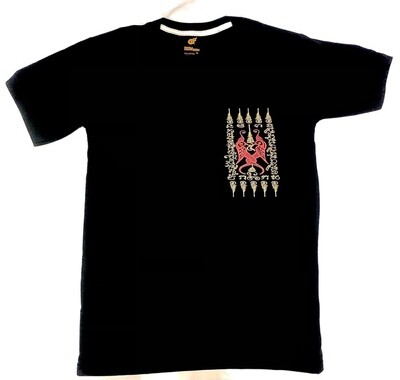
Suea Yant Salika Dong Yant Bua Gaew Color Silk Screen Print T-Shirt
Suea Yant Salika Dong Yant Bua Gaew Color Silk Screen Print T-Shirt
Free Shipping Worldwide
SKU 05000
$ 35.00
Sold out
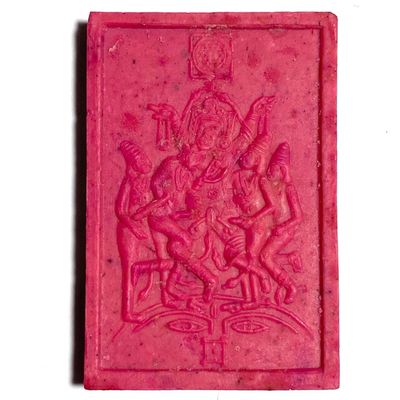
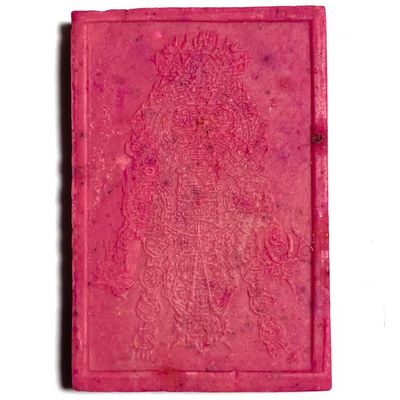
Sadej Mae Yua Mueang Pra Mae Uma Sep Gam Kali in Sexual Posture Soaked in Dugong Oil Ajarn Hmom Niranam Traibhumi Rare Old Edition
Sadej Mae Yua Mueang Pra Mae Uma Sep Gam Kali in Sexual Posture Soaked in Dugong Oil Ajarn Hmom Niranam Traibhumi Rare Old Edition
Free Shipping Worldwide
SKU 05135
$ 199.00
Out of stock
Sold out
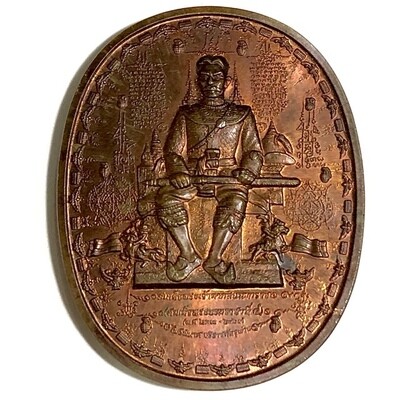
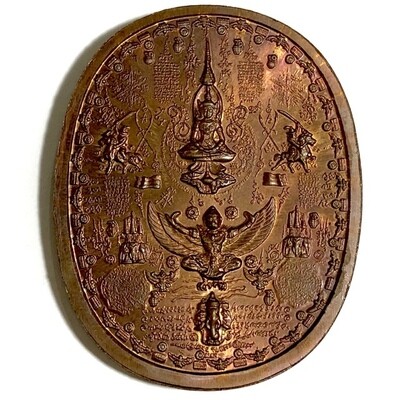
Rian Hmeun Yant Pra Jao Taksin 2550 BE 1000 Yantra Amulet Ajarn Hmom Niranam
Rian Hmeun Yant Pra Jao Taksin 2550 BE 1000 Yantra Amulet Ajarn Hmom Niranam
Free Shipping Worldwide & Offer of Free Casing
SKU 05142
$ 349.00
Out of stock
Sold out
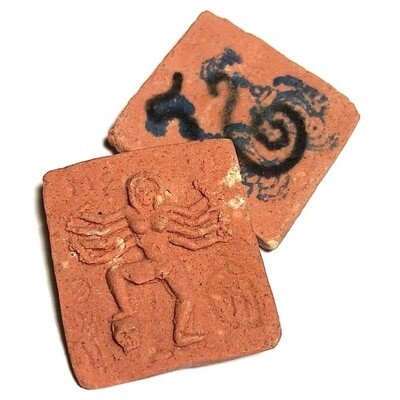
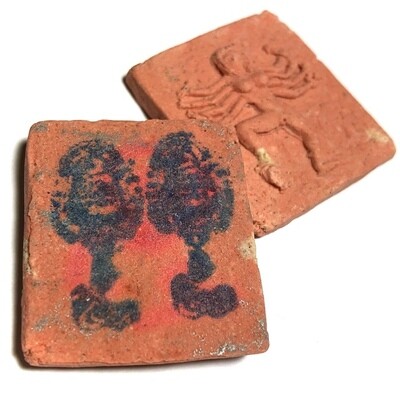
Mae Yua Mueang (Tantric Kali Maha Amnaj/Maha Sanaeh amulet) - 99 Ghost Red Prai Powders + Hand Inscription - Gambling and Love Charm - Ruesi Masia 2554 BE
Mae Yua Mueang (Tantric Kali Maha Amnaj/Maha Sanaeh amulet) - 99 Ghost Red Prai Powders + Hand Inscription - Gambling and Love Charm - Ruesi Masia 2554 BE
SKU 02536
$ 49.00
Out of stock


Sold out
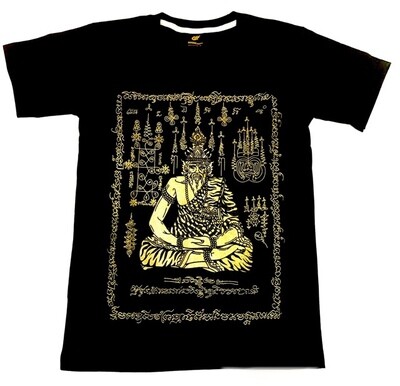
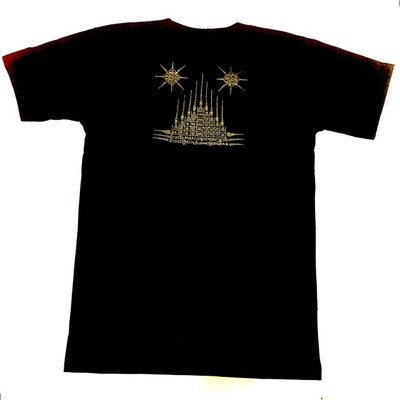
Sak Yant T-Shirt with Lersi Por Gae Yant Gao & Yord Yant Putsoorn
Sak Yant T-Shirt with Lersi Por Gae Yant Gao & Yord Yant Putsoorn
Free Shipping Worldwide
SKU 05003
$ 35.00
Out of stock
Sold out
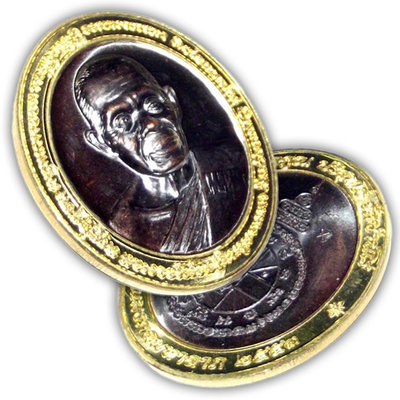
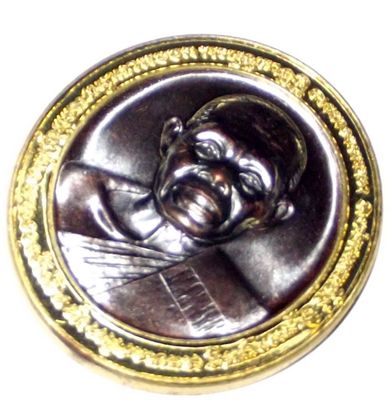
Rian Twee Mongkol Luang Por Koon in Nuea Tong Daeng and Khorb Rakang - Blackened Copper with Nuea Rakang Edges - Mongkol Maha Lap Edition 2554 BE - Wat Tramidtr + Luang Por Koon 2 Blessing Ceremonies
Rian Twee Mongkol Luang Por Koon in Nuea Tong Daeng and Khorb Rakang - Blackened Copper with Nuea Rakang Edges - Mongkol Maha Lap Edition 2554 BE - Wat Tramidtr + Luang Por Koon 2 Blessing Ceremonies
SKU 03225
$ 65.00
Out of stock
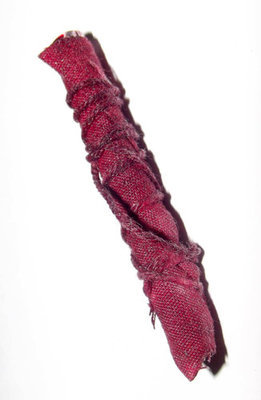
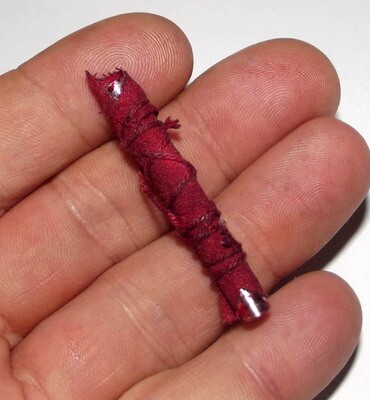
Takrut Mae Yua Mueang Saw Roi Phua (Kali with 100 Husbands) Chae Nam Man Paes Sam Roi Phua (soak in 300 Husband Oil) Khmer Necromantic Love and Gambling Amulet - Yokee Harit
Takrut Mae Yua Mueang Saw Roi Phua (Kali with 100 Husbands) Chae Nam Man Paes Sam Roi Phua (soak in 300 Husband Oil) Khmer Necromantic Love and Gambling Amulet - Yokee Harit
SKU 01912
$ 48.00
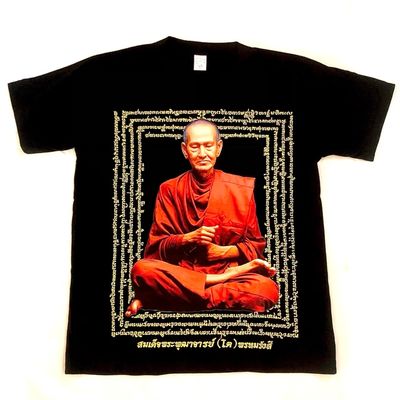
Sold out
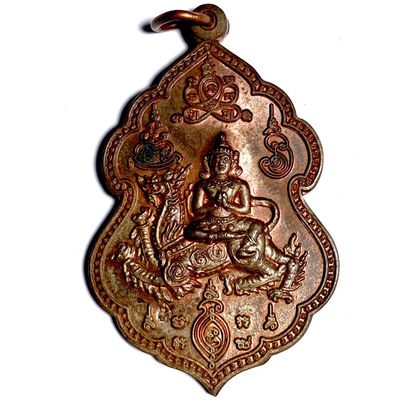
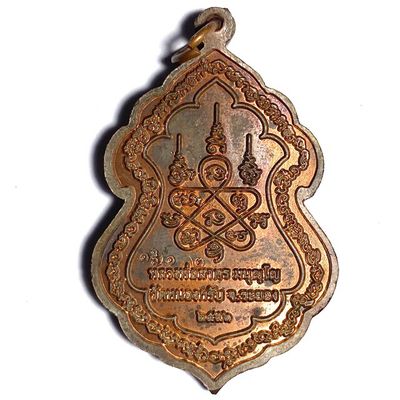
Rian Taewada Nang Singh Deva on Rachasri Himapant Lion King Nuea Tong Daeng 70 years Anniversary Edition LP Sakorn Wat Nong Grub 2551 BE
Rian Taewada Nang Singh Deva on Rachasri Himapant Lion King Nuea Tong Daeng 70 years Anniversary Edition LP Sakorn Wat Nong Grub 2551 BE
Free Shipping Worldwide
SKU 05119
$ 149.00
Out of stock
Sold out
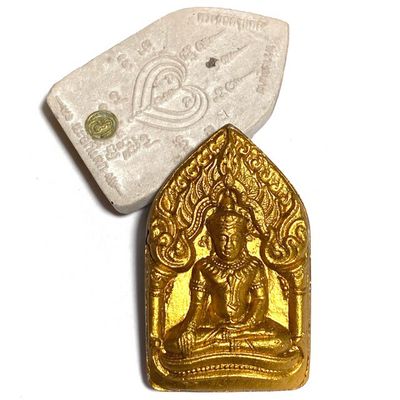
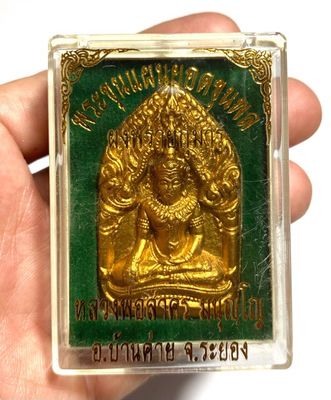
Khun Phaen Pim Yai Hlang Na Hua Jai Ok Dtaek Prai Tong Edition 2556 BE Nuea Pong Prai Kumarn 1 Look Namo + Chin Aathan - Luang Por Sakorn
Khun Phaen Pim Yai Hlang Na Hua Jai Ok Dtaek Prai Tong Edition 2556 BE Nuea Pong Prai Kumarn 1 Look Namo + Chin Aathan - Luang Por Sakorn
Free Shipping Worldwide
SKU 05122
$ 119.00
Out of stock
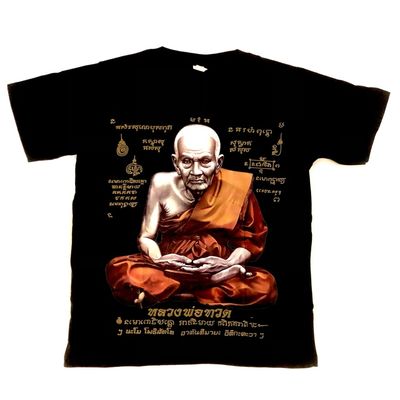
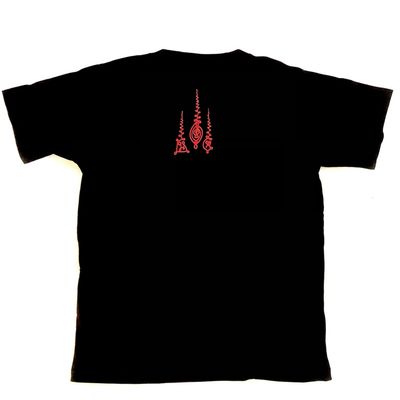
Sacred Thai Monk T-Shirt Luang Phu Tuad Wat Chang Hai
Sacred Thai Monk T-Shirt Luang Phu Tuad Wat Chang Hai
Free Shipping Worldwide
SKU 05059
$ 35.00
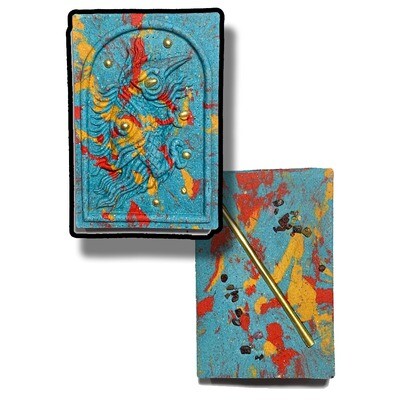
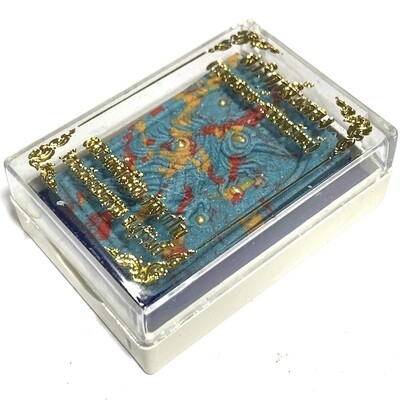
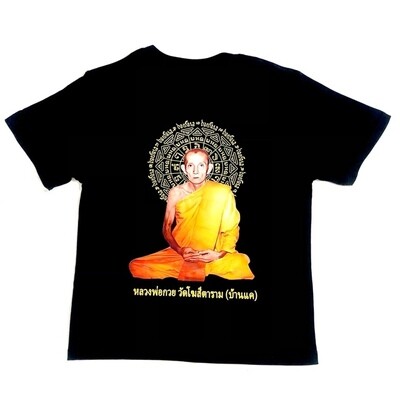
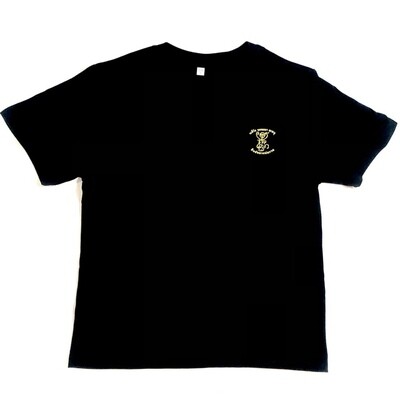
Sacred Yant T-Shirt Wai Kroo Looksit Luang Por Guay Devotees Edition
Sacred Yant T-Shirt Wai Kroo Looksit Luang Por Guay Devotees Edition
Free Shipping Worldwide
SKU 05004
$ 35.00
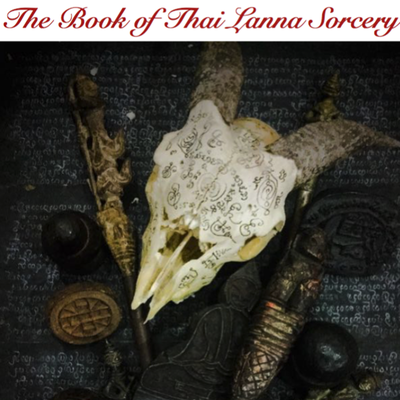
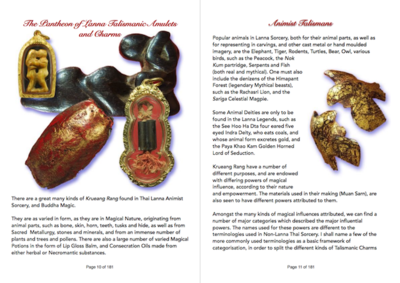
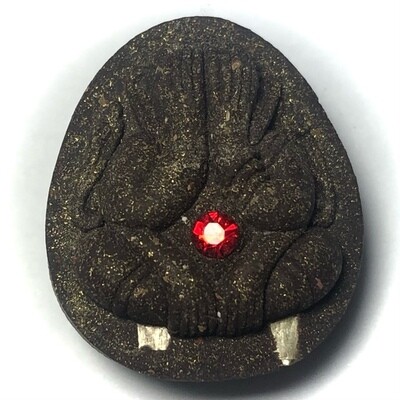
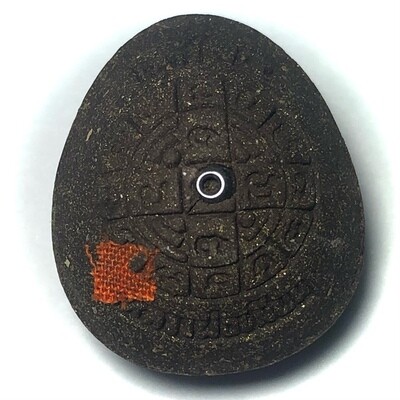
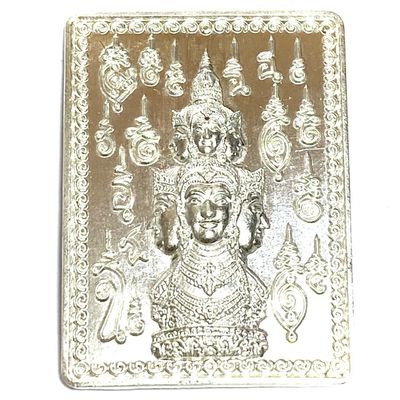
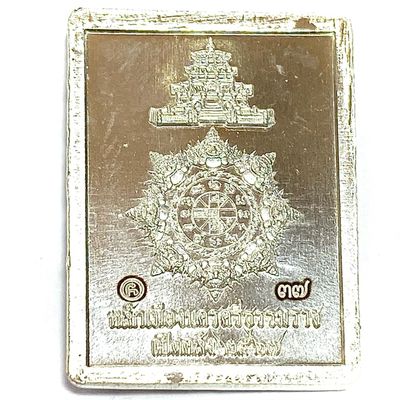
Rian Stamp Jathukam Ramathep Ongk Kroo Nuea Ngern only 999 Made - Baramee Khun Pan 2567 BE Muan Sarn Pi 30 - 3 Blessing Ceremonies
Rian Stamp Jathukam Ramathep Ongk Kroo Nuea Ngern only 999 Made - Baramee Khun Pan 2567 BE Muan Sarn Pi 30 - 3 Blessing Ceremonies
Free Shipping Worldwide & Offer of Free Waterproof or Stainless Steel Casing Included
SKU 05107
$ 129.00
Sold out
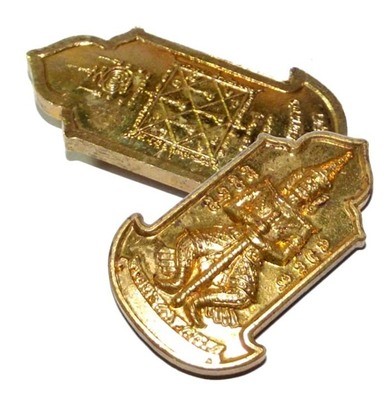
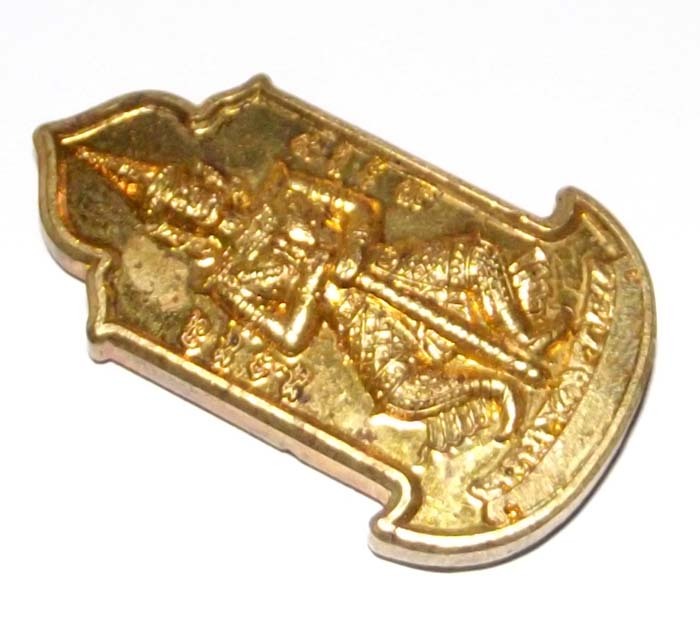
Rian Taw Waes Suwan Asura Deva Millionaire King for Professional Status, Wealth & Protection - Nuea Galai Tong - Ajarn Supot Na Lercha 5 Blessing Ceremonies between 2554-5 BE
Rian Taw Waes Suwan Asura Deva Millionaire King for Professional Status, Wealth & Protection - Nuea Galai Tong - Ajarn Supot Na Lercha 5 Blessing Ceremonies between 2554-5 BE
SKU 02163
$ 49.99
Out of stock
Sold out
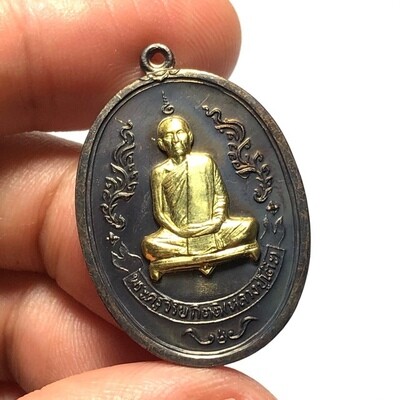
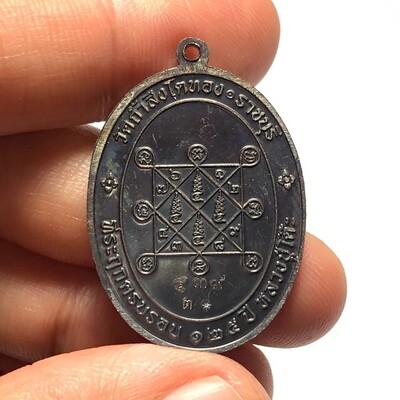
Rian Roop Khai Boran Yorn Yuk - Nuea Tong Daeng Rom Dam Gold Image LP To 2556 BE 125th Anniversary Edition Wat Tham Singto Tong 125 Monks Blessing Only 1125 Made
Rian Roop Khai Boran Yorn Yuk - Nuea Tong Daeng Rom Dam Gold Image LP To 2556 BE 125th Anniversary Edition Wat Tham Singto Tong 125 Monks Blessing Only 1125 Made
Free Shipping Worldwide
SKU 04631
$ 89.00
Out of stock
Display prices in:USD
Contact Us
Follow Us on Youtube
About Us
Ajarn Spencer
Proprietor
Thailand Amulets is owned and Administrated by Thai Occult and Amulet expert, Ajarn Spencer Littlewood who guarantees only authentic blessed amulets, and a free gift with every order, as well as his safe delivery or money back guarantee. https://facebook.com/ajarnspencer
