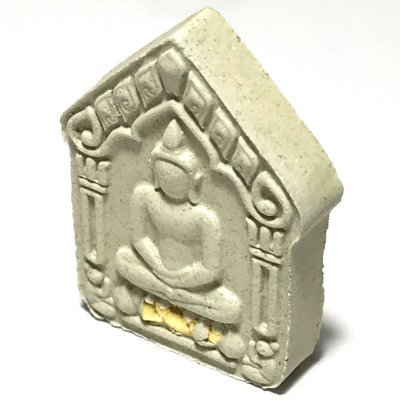

We have a vast selection of over 4000 different kinds of Sacred Amulets and Bucha Items, including Buddha Image, Loi Ongk statuettes, Buddhist Monk Coin Amulets, Takrut Charms, Nam Man Prai Oils, Mai Kroo Wands, Mitmor Ritual Knife, Lek Lai Kaya Siddhi Elemental Substance, Kumarn Tong, Gambling Amulets, Mae Nang Prai, Muan Sarn Sacred Powder Amulets, Palad Khik, Animist Charms, Necromantic Amulets, Buddhist, Animist, Brahman and Necromantic Amulets.
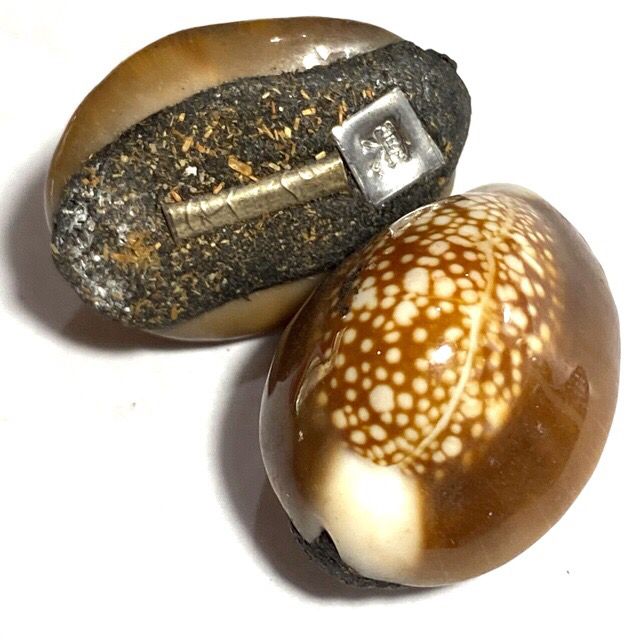
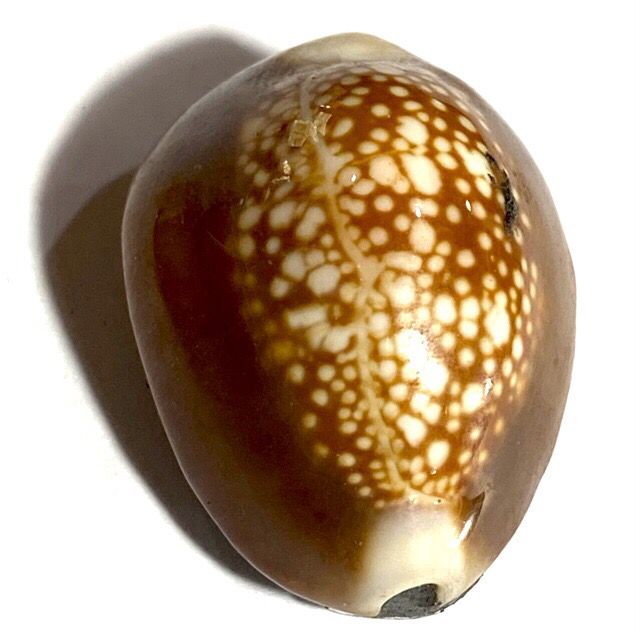
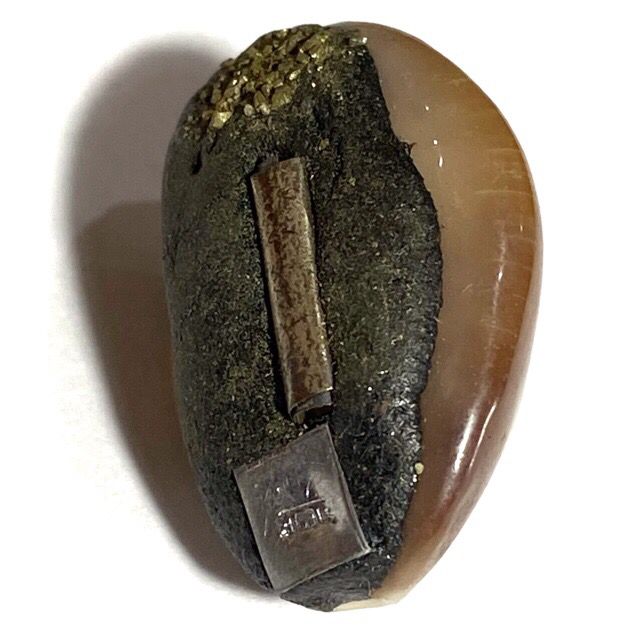
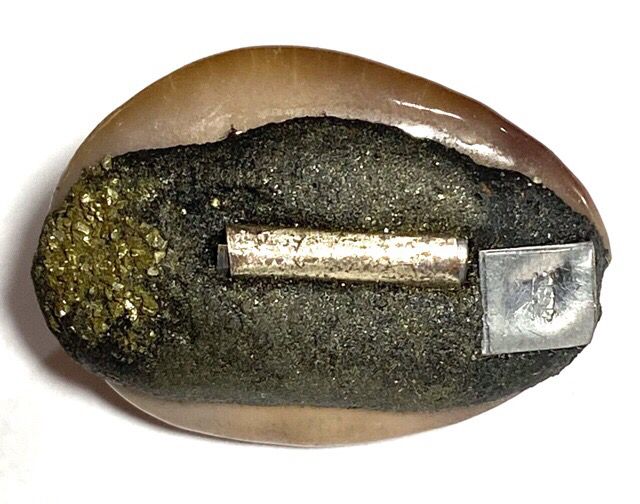
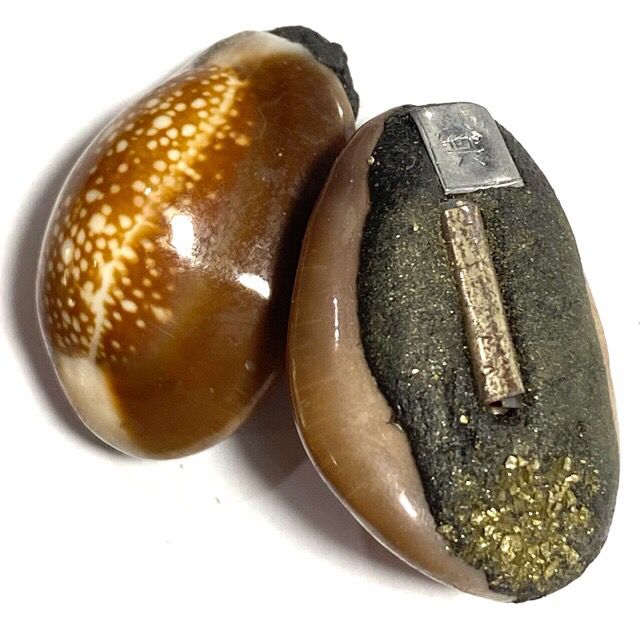
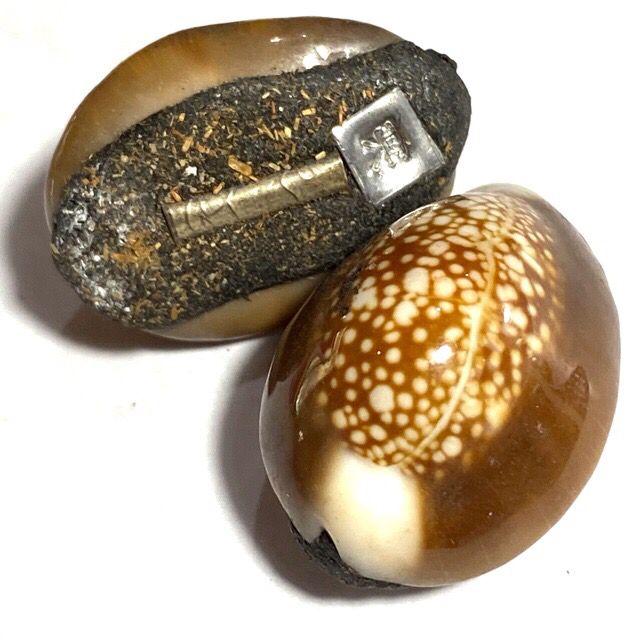
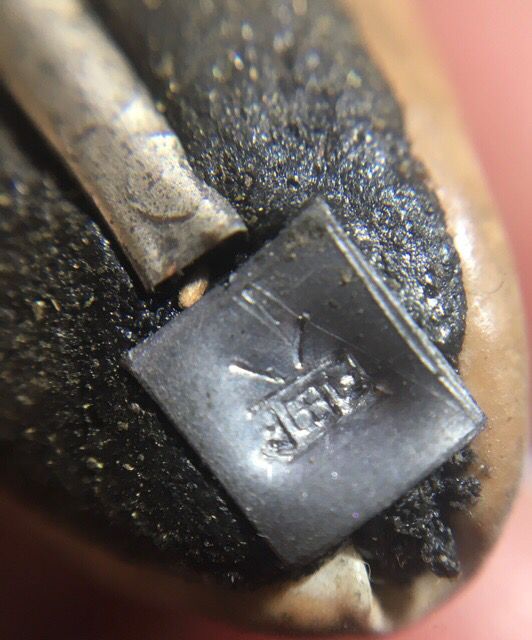
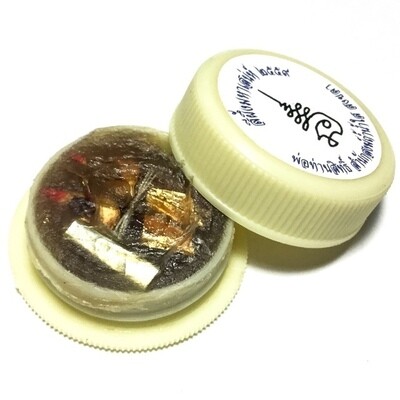
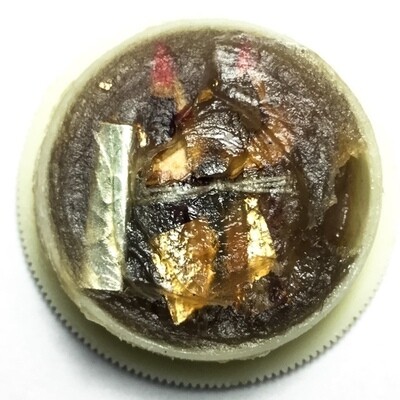
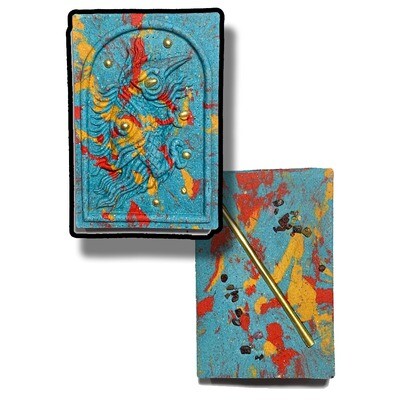
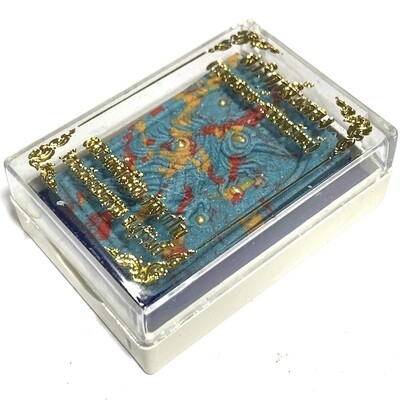
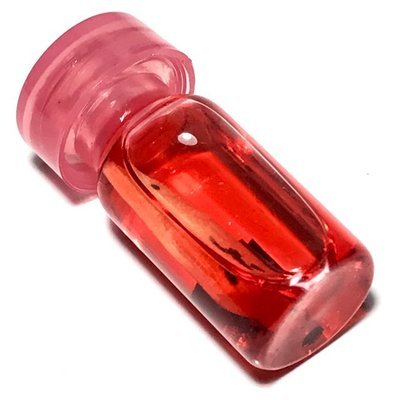
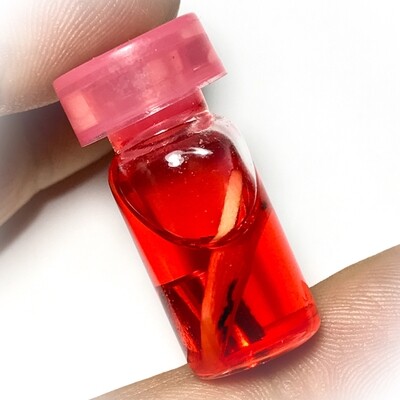
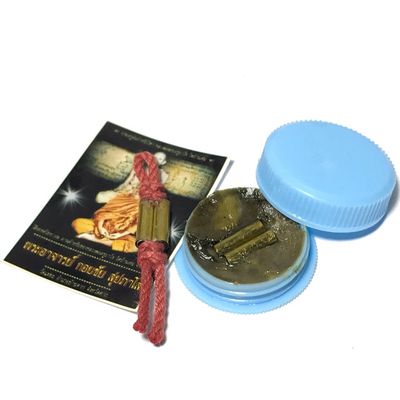
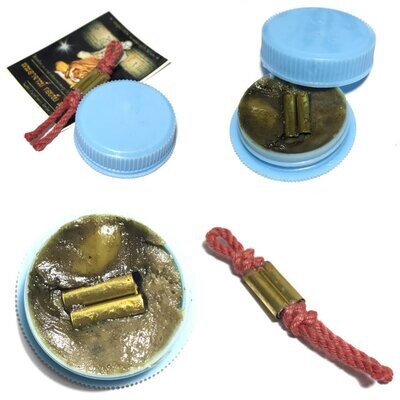
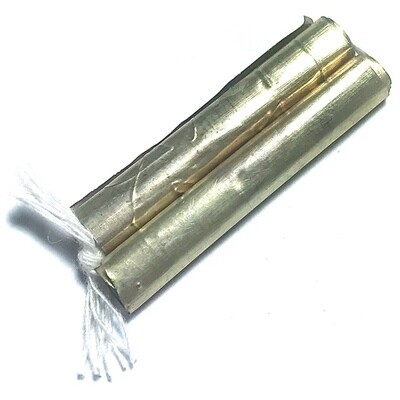
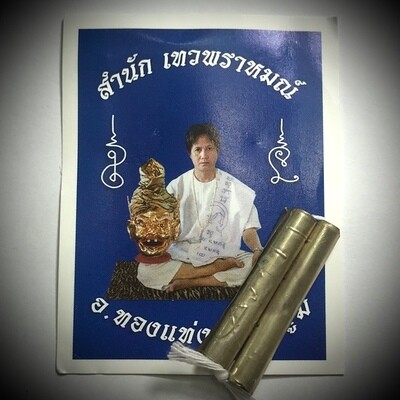
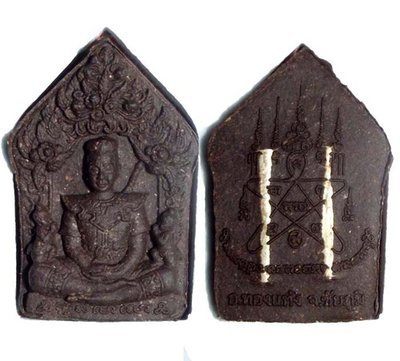
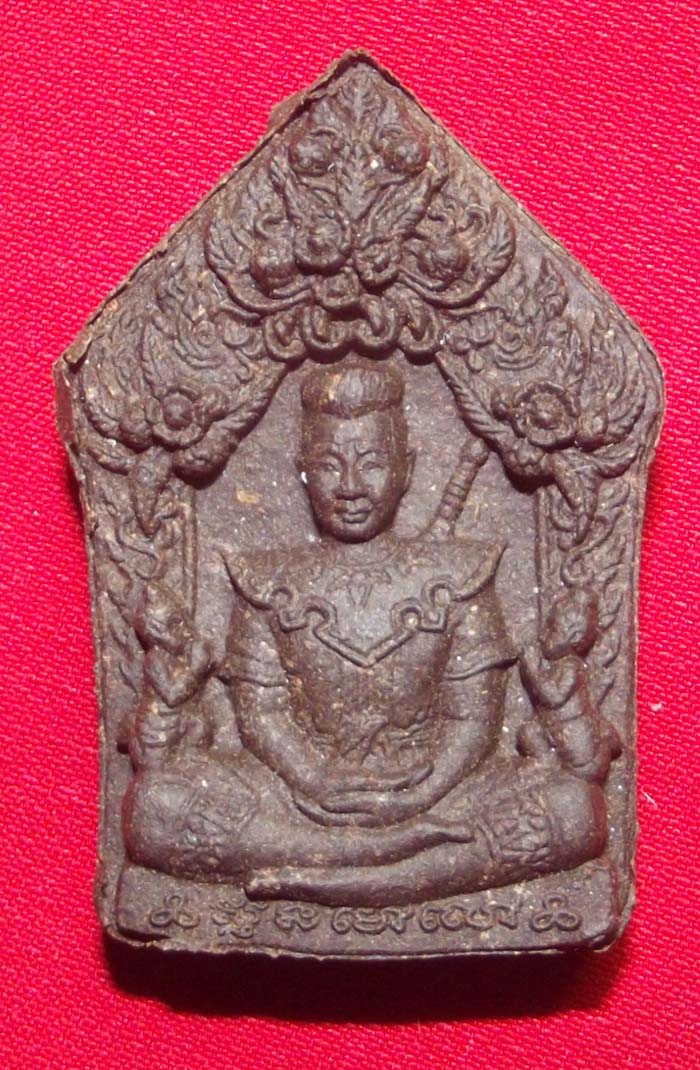
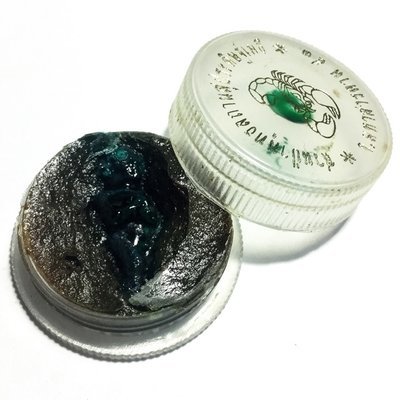
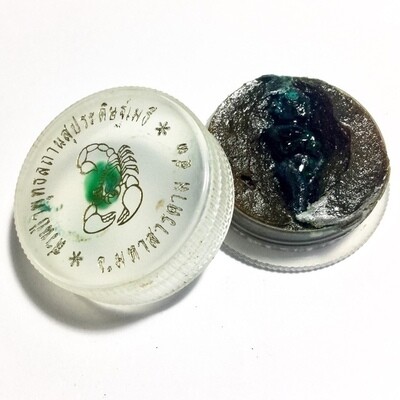
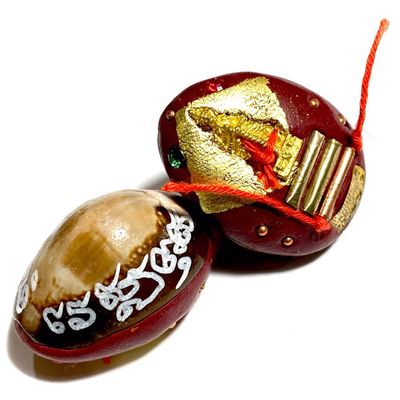
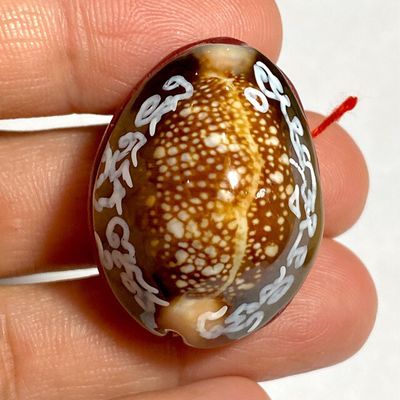
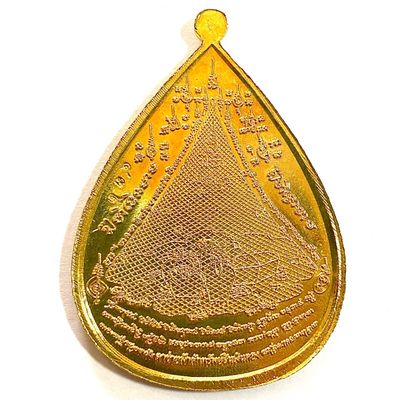
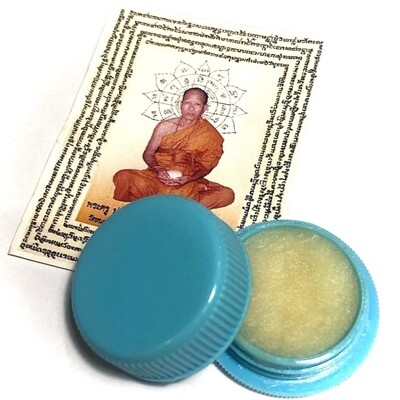
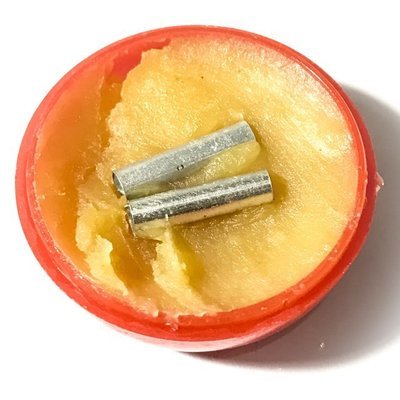
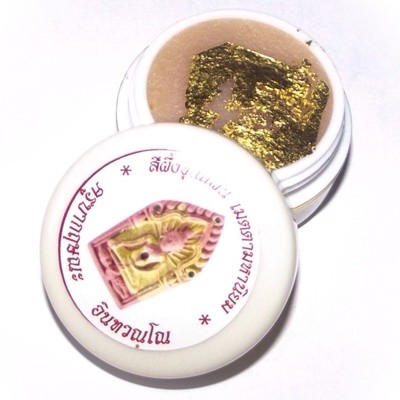
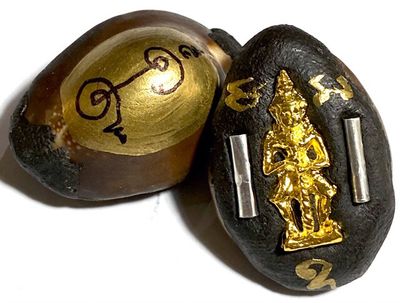
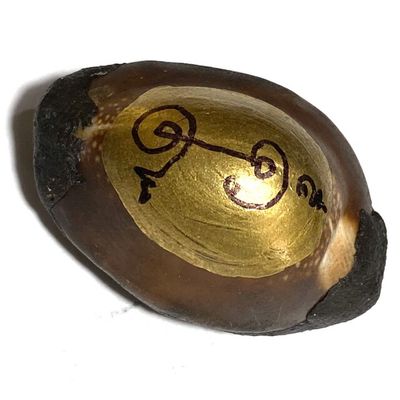
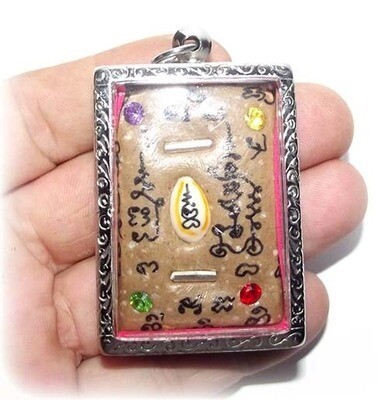
Bia Gae Jon – Ruai Lon Fa, filled with Phong Maha Phoodti Lin Thong and Silver Takrut scroll spell, by Luang Por Dam, Wat Santitham, B.E. 2552
In Thai occult and ritual culture, the Bia Gae is one of the most established and historically important protective talismans. Traditionally, its main purpose is to neutralize harmful forces, counter black magic, and protect the wearer from ritual poisons or sorcery. In 2009 (B.E. 2552), a significant development took place in this lineage of knowledge when Luang Por Dam of Wat Santitham, Sa Kaeo Province, created the Bia Gae Jon – Ruai Lon Fa, specially filled with Phong Maha Phoodti Lin Thong (Golden-Tongued Spirit Powder), with this being the 'Dtua Kroo' high end model with silver Takrut.

This piece was not made only for protection. It was intentionally empowered and structured to counter poverty and attract wealth, merging traditional Bia Gae construction with a rare Khmer-derived sorcery lineage. It is further empowered with the insertion of a Takrut scroll spell of the Sariga Lin Tong golden tongued celestial Magpie.

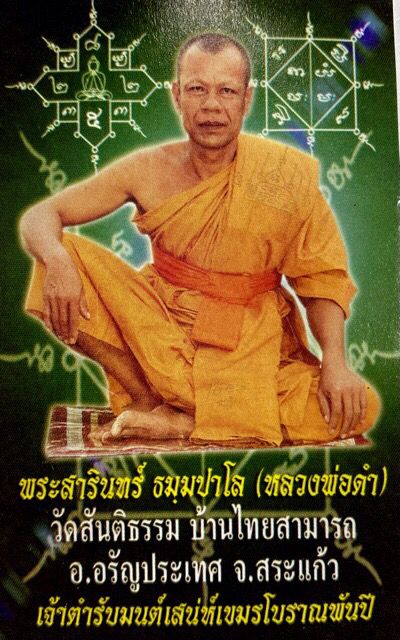
To understand the power attributed to this edition of Bia Gae, one must understand the source of the lineage: Luang Por Dam (Phra Sarin Thammalo) of Wat Santitham, Thai Samart Village, Aranyaprathet District, Sa Kaeo Province. Within his circle of students, he is known as one of the rare transmitters of ancient Khmer charm and spirit-invoking disciplines.

As a novice monk, Luang Por Dam did not confine his study to Thailand. He crossed the border into Cambodia and studied at Wat Prey Pho, Slesor District, Kampong Cham Province. There he became a disciple of Upachaya Tu Kriang, a senior monk well-versed in premodern Khmer esoteric systems. He also studied under Ajaan Saem (called ‘Ma’), a lay sorcerer in the village of Phum Sala, Ko Churam Subdistrict.
The years between 2503–2505 B.E. were the formative period in which he inherited the core teachings that later became his signature systems—especially the discipline called Maha Phoodti Lin Thong, which is at the heart of the 2552 Bia Gae.

His Khmer-rooted lineage is known for its intensity and fast-acting nature, specializing in worldly benefits such as attraction, charm, and wealth.
A key turning point in his development was his long retreat and ascetic wandering in Cambodia, including extended meditation practice on Phnom Kulen. This mountain is historically and spiritually important within Khmer culture, and practitioners consider it a place where ancient hermit traditions and ancestral esoteric lineages continue to reside.
His time on Phnom Kulen was a period of strengthening and “refining” his lineage before he resumed the creation of amulets—including the 2552 edition, which carries the elevated potency associated with his return from Kulen.

Before examining the 2552 piece, it is necessary to understand what a Bia Gae is according to older traditions.
The bia (cowry shell) was historically used as currency throughout Southeast Asia. Because of this, it naturally represents wealth, productivity, and stored value.
The word “gae” means to undo, neutralize, counter, or repair.
Thus, a Bia Gae is an object created for the explicit function of solving problems and neutralizing dangers.

Authentic Bia Gae traditionally contains:
The Cowry Shell – Ideally one with a full set of 32 ridges, symbolizing the body’s 32 components in Thai-Buddhist anthropology.
Mercury (Parod) – Not just a physical substance but, in occult interpretation, a “living” element capable of absorbing harmful energy or sorcery.
Stingless Bee Resin (Chan Rong) – Used to seal the mercury, representing protection, perseverance, and the accumulation of resources.

A classic Bia Gae functions primarily as a protective talisman, operating through defensive mechanisms that shield its wearer from various forms of spiritual harm. This traditional amulet works by absorbing, neutralizing, or deflecting harmful occult influences, malevolent sorcery, curses, and ill intentions that may be directed toward its owner. Practitioners and believers in these sacred objects often describe the Bia Gae's protective action using vivid metaphors, characterizing it as actively "eating" or "pulling in" negative energies and malicious forces before they can reach or affect the person carrying it. This consumption of harmful spiritual elements is thought to occur continuously, creating an invisible barrier of protection around the wearer. The amulet essentially serves as a spiritual guardian, intercepting dark magic and negative vibrations that might otherwise cause misfortune, illness, or other adverse effects in the owner's life.

Luang Por Dam’s method changes this from a purely defensive tool into an object that actively draws wealth, luck, and charm, due to the insertion of Phong Maha Phoodti Lin Thong.
This model is a combination of the traditional Bia Gae protective function and the Khmer charm-invoking discipline associated with the Golden-Tongued Spirit Powder.
“Gaé Jon” refers to neutralizing poverty and obstacles that cause financial stagnation.
“Ruai Lon Fa” refers to wealth that grows beyond ordinary limits. The name of the edition hence matches the intended function of the object itself.


Ajarn Spencer
Proprietor
Thailand Amulets is owned and Administrated by Thai Occult and Amulet expert, Ajarn Spencer Littlewood who guarantees only authentic blessed amulets, and a free gift with every order, as well as his safe delivery or money back guarantee. https://facebook.com/ajarnspencer